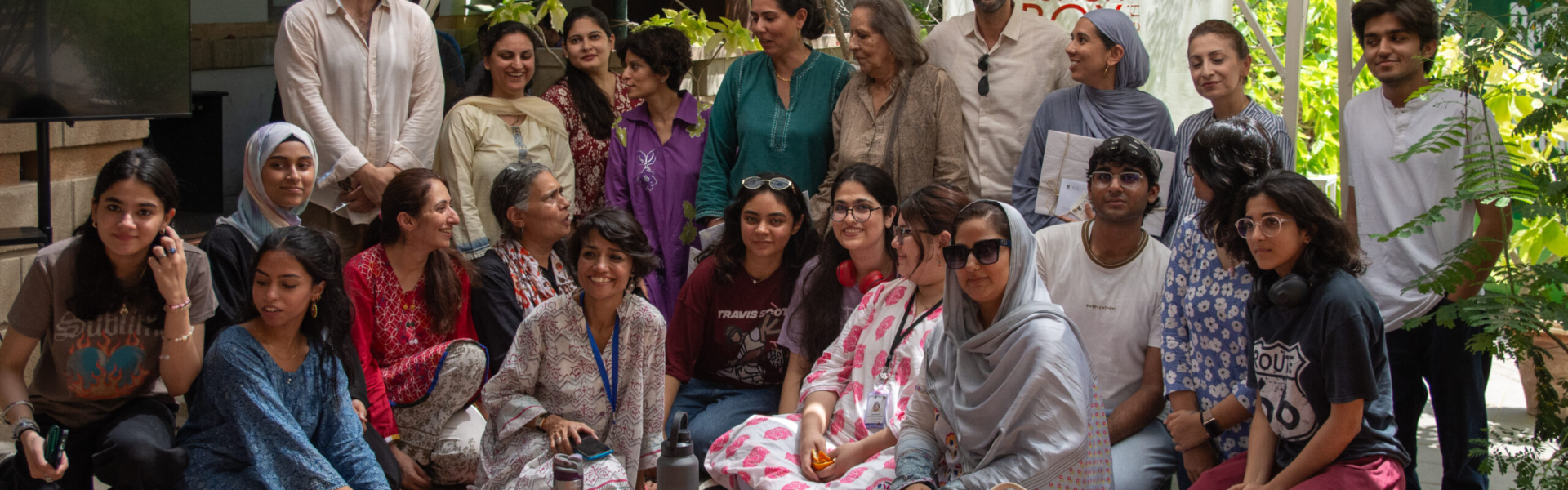
See what this programme offers
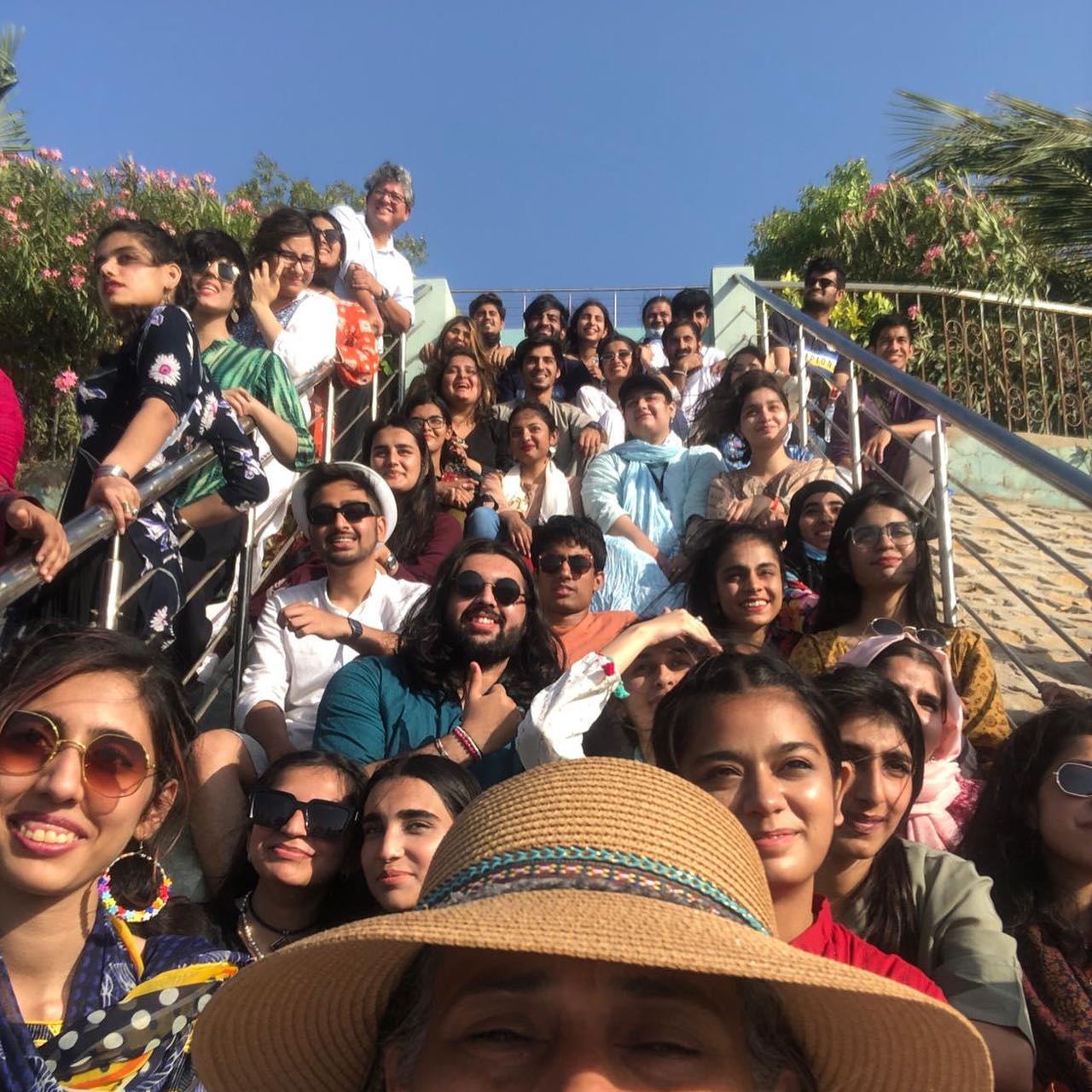
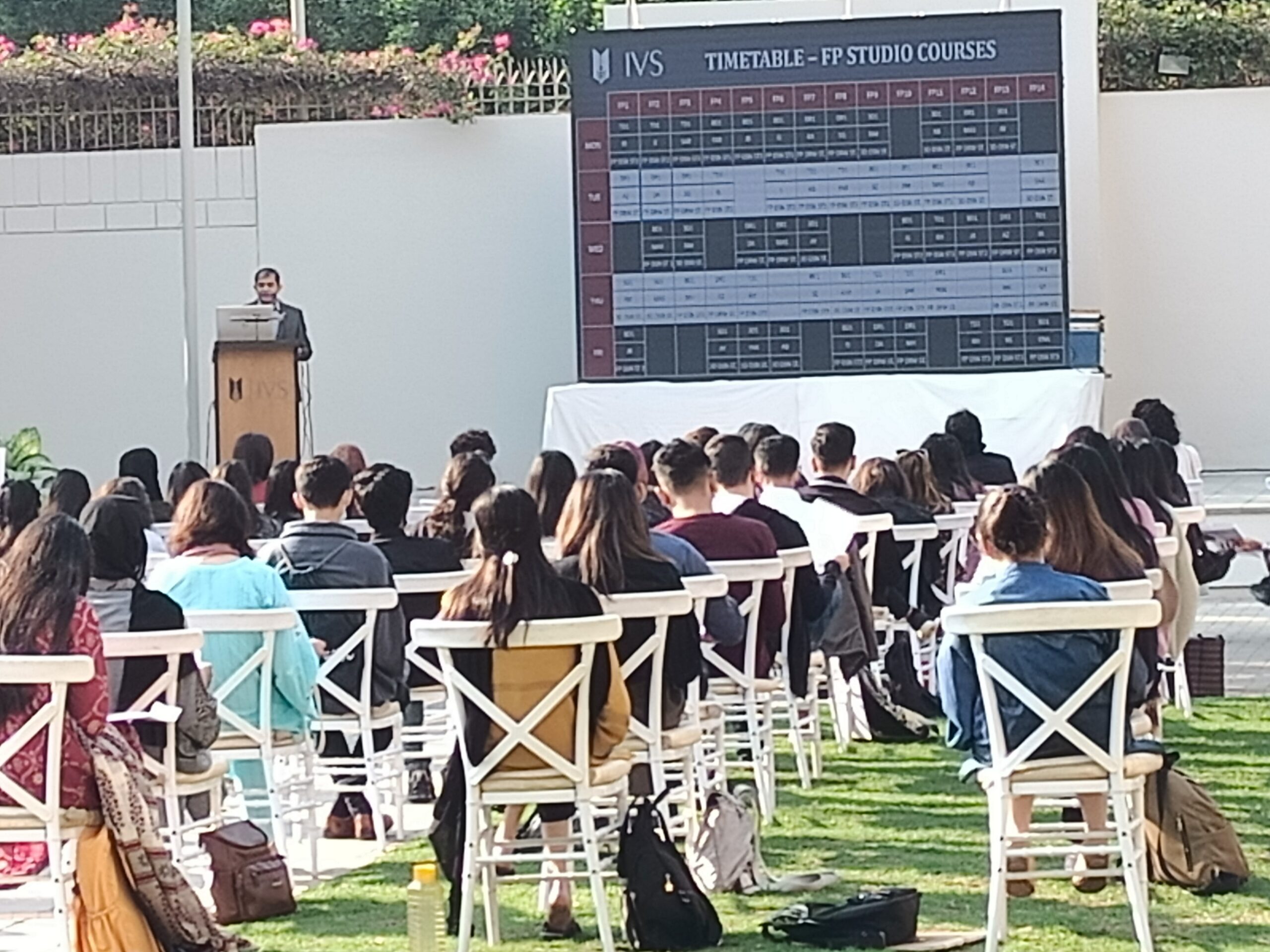
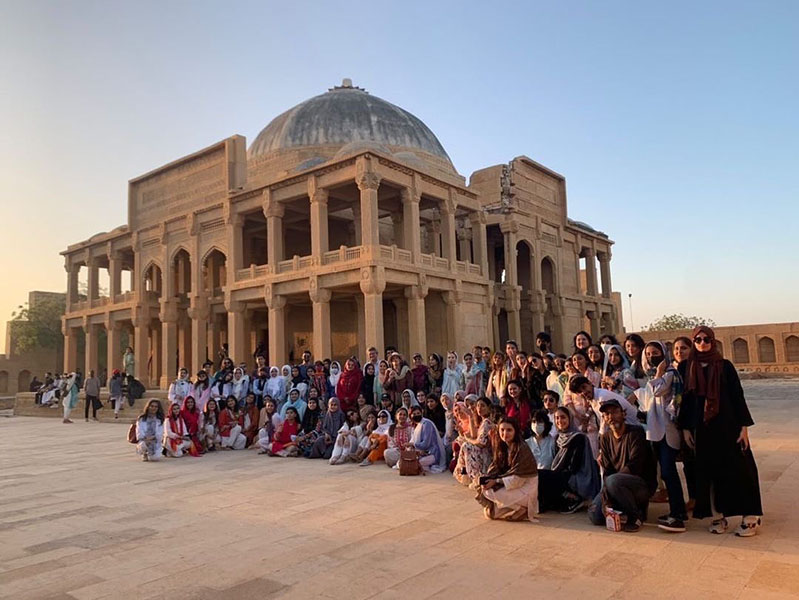
The IVS Foundation Programme is a unique yearlong experience within the ecosystem of an art and design school. Through expert faculty and an integrated curriculum, the foundation year enables our students to transition from conventional education into art education, building within them a common vocabulary and base for lifelong learning. Core courses during this year introduce fundamental concepts, technical skills, material exploration through intensive process-based practices that encourage time management, while periodic portfolio reviews provide constructive holistic guidance to students. Academic Reading & Writing with an introduction to Art, Design, and Architecture history is provided by the Liberal Arts programme. This essential introduction to studio and theory courses, city orientation, and study trips culminate to strengthen the IVS student community at the very onset.
The IVS FP curriculum and experience is designed to anchor students with structure and confidence, flexibility and adaptability to help them innovate and grow throughout their time with us. Course projects focus on dialogue, research, presentations and productive feedback, where individual and group work encourages technical exploration and critical reflection. Projects are integrated, sequential, and progressively complex in terms of idea, skill, and critique, equipping students with potent and multi-faceted building blocks for the years to come.
First Semester
| Course Code | Course Title | Credit Hours |
|---|---|---|
| FP112 | Drawing 1 | 3 |
| FP110 | Technical Drawing 1 | 3 |
| FP109 | Basic Design 1 | 3 |
| FP111 | 3D Design Studio 1 | 3 |
| LA154 | Histories of Art, Design and Architecture I | 3 |
| LA151 | Academic Reading and Writing I | 3 |
| Total Credits: | 18 |
Second Semester
| Course Code | Course Title | Credit Hours |
|---|---|---|
| FP212 | Drawing 2 | 3 |
| FP210 | Technical Drawing 2 | 3 |
| FP209 | Basic Design 2 | 3 |
| FP211 | 3D Design Studio 2 | 3 |
| LA254 | Histories of Art, Design and Architecture II | 3 |
| LA251 | Academic Reading and Writing II | 3 |
| Total Credits: | 18 |
Total Credits for Foundation Year (Semester 1 and 2) = 36
- Freehand Drawing
- Technical Drawing
- Basic Design
- 3D Design
- Visual and Material Cultures
- Academic Reading and Writing
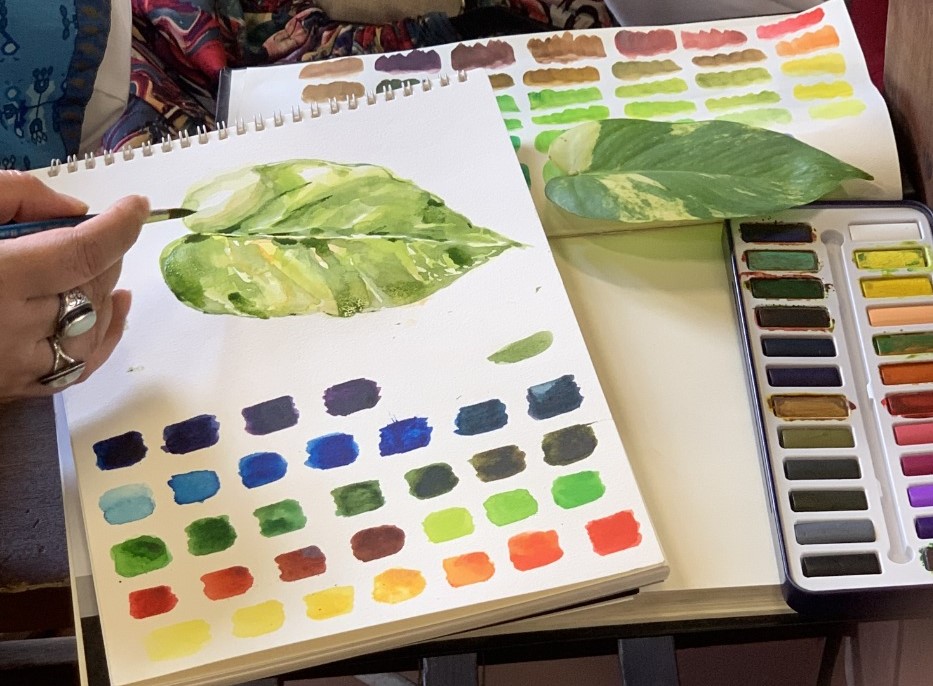
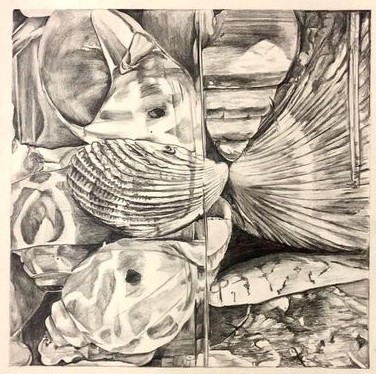
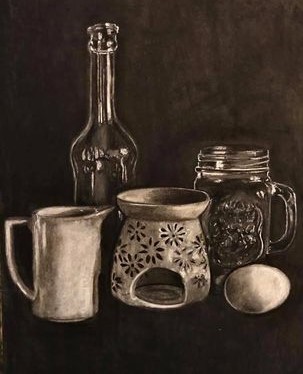
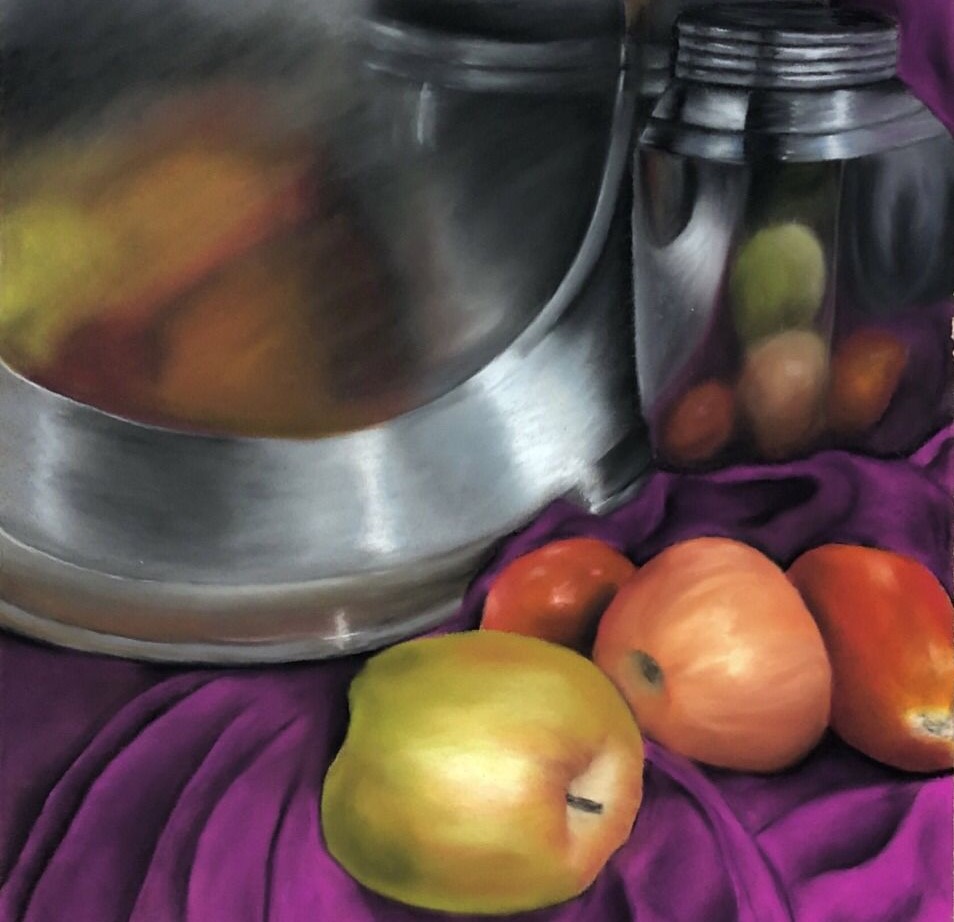
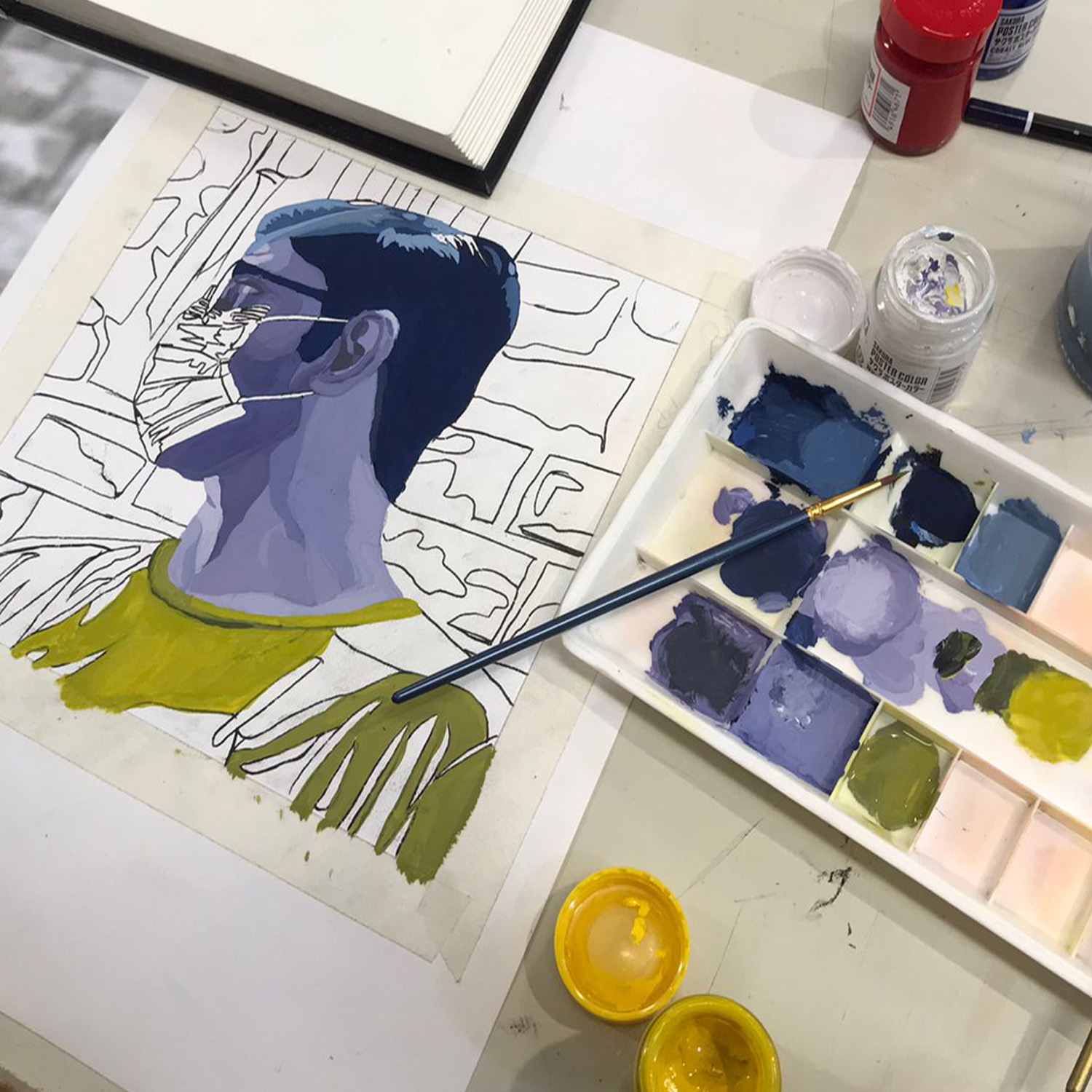
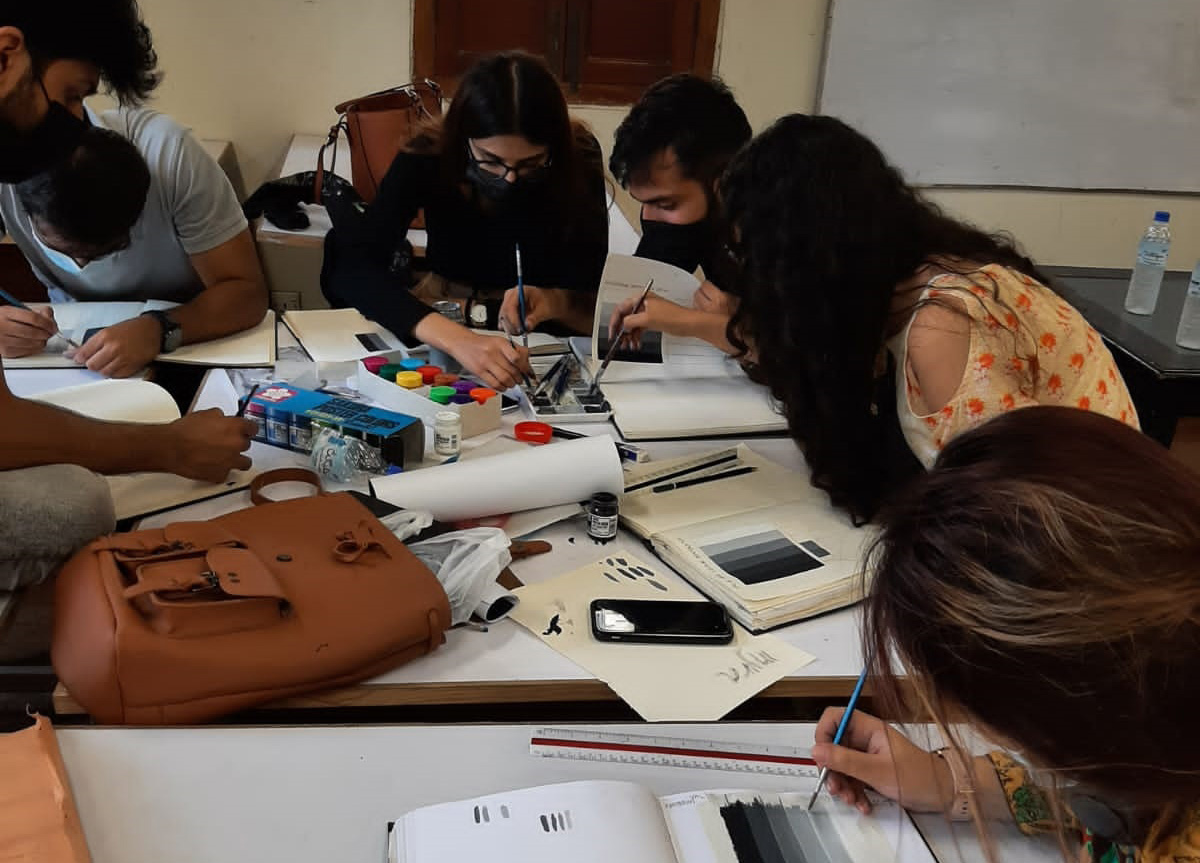
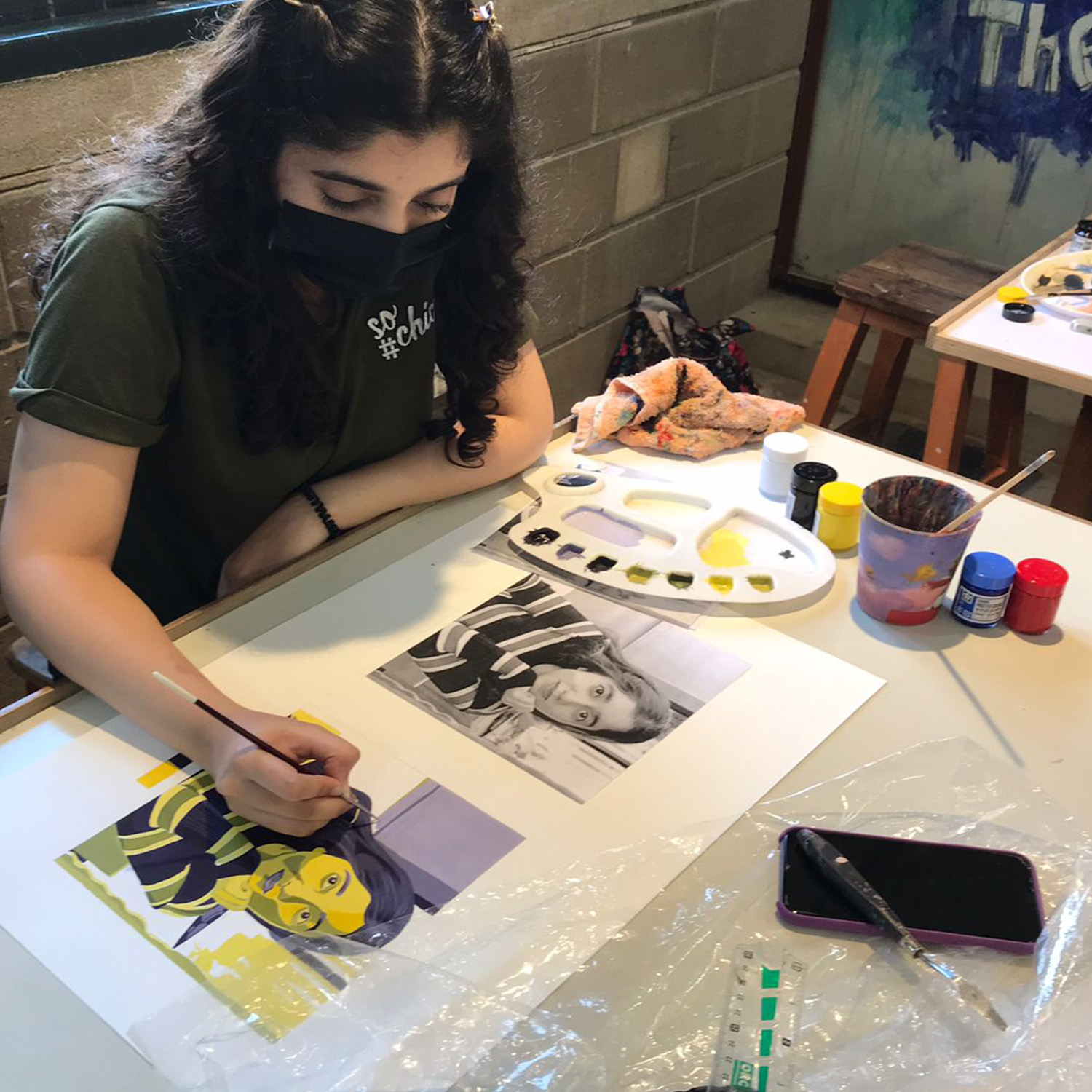
Drawing is the key skill needed for all art and design disciplines. This rigorous studio course is an active mode of communication, generating ideas and thoughts in creative practice. Students learn to enhance observation, analysis, representation and interpretation of visual information. The course also creates opportunities for students to develop the ability to identify concepts and evaluate problems systematically. A combination of sequential and iterative processes are employed using a variety of mediums, techniques, and tools. Individual assignments are aided with process sketchbooks. Image-making by synthesizing various principles of visual art, the use of mediums, and different experimental possibilities of representation are all part and parcel of this course. Students learn to manipulate the elements of visual art in response to a specific problem planned for their respective studio projects. Students also work closely with colour mediums by learning the skill of perceiving, analysing, preparing and interpreting colours according to the objectives of related studio projects.
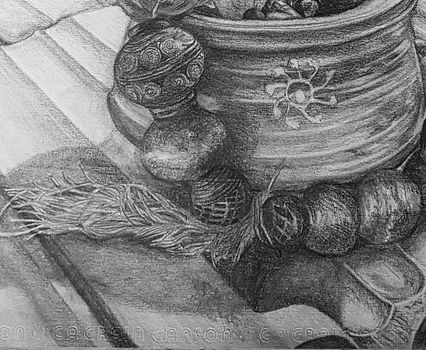
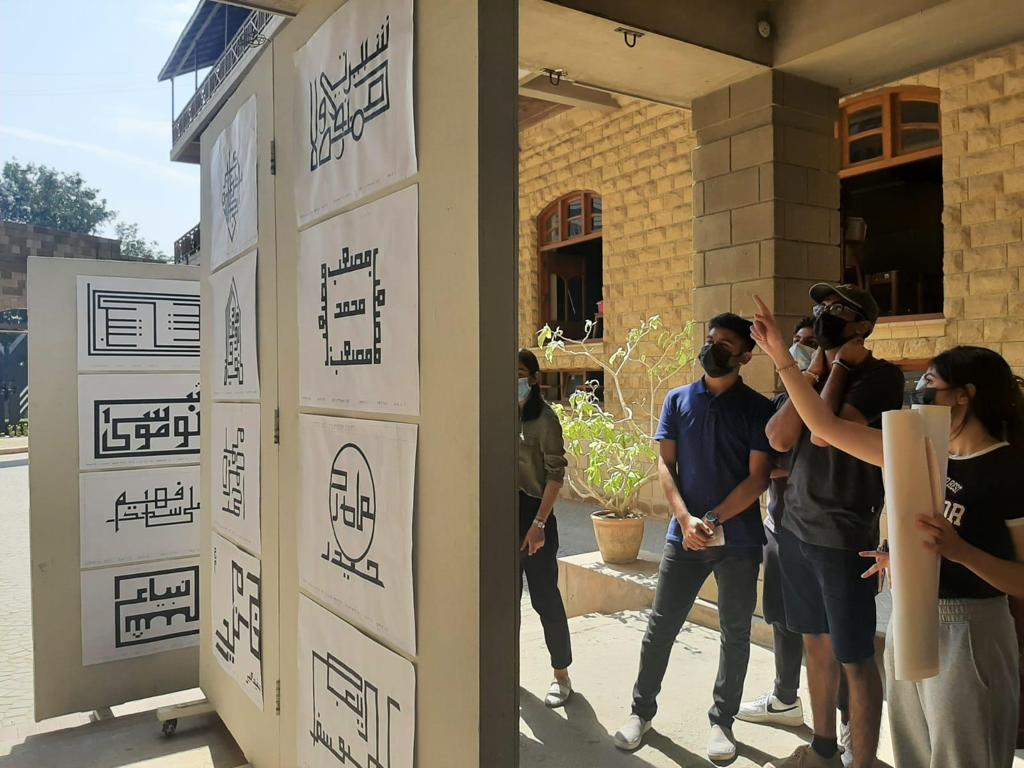
This course comprises an introduction to communicating ideas through basic techniques and processes involved in drafting scaled-down representations. The major emphasis is on developing basic drafting skills of students by acquainting them with drafting tools and techniques while helping them visualize and solve graphical problems. In the later stage of the course, the students are encouraged to apply various methodologies to translate their research and analysis in resolving the assigned tasks. By the end of the course the students are able to translate their ideas using technical drawing with respect to understanding of concepts, time management, drafting skills, lettering and dimensions.
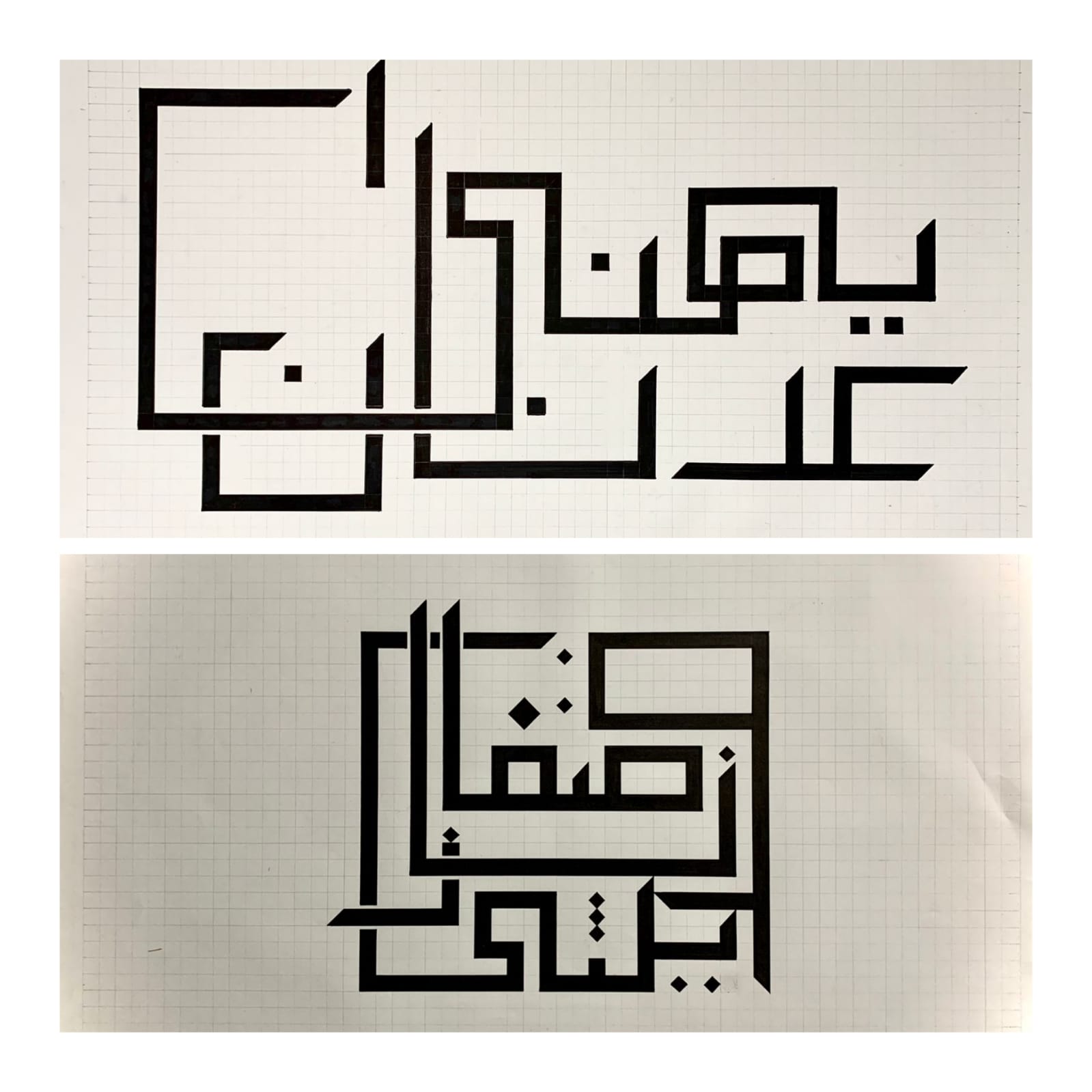
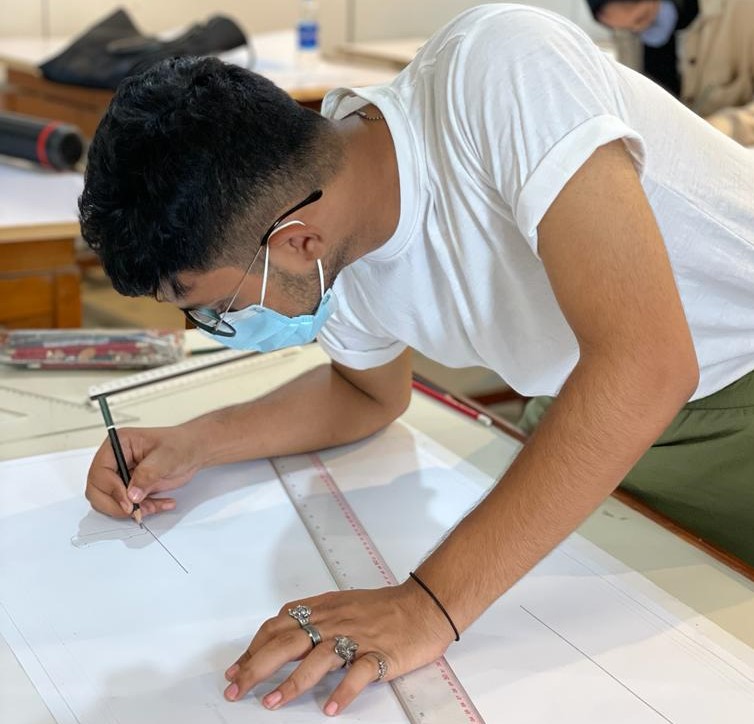
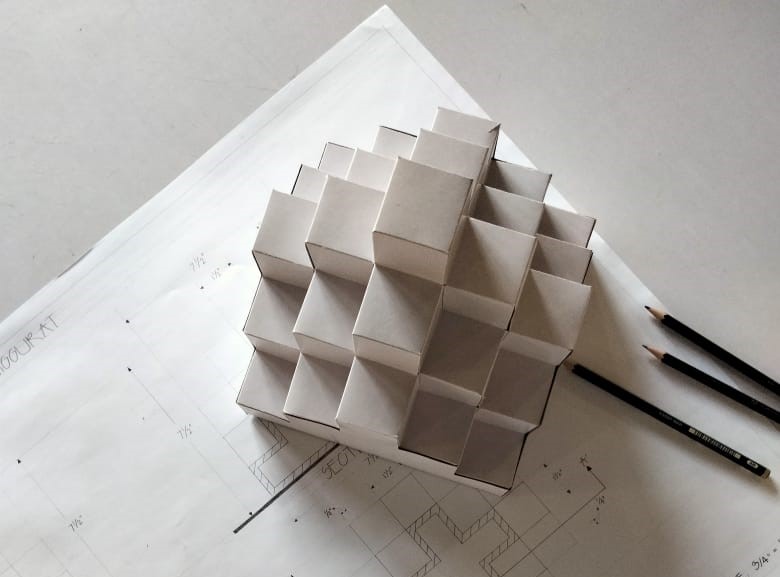
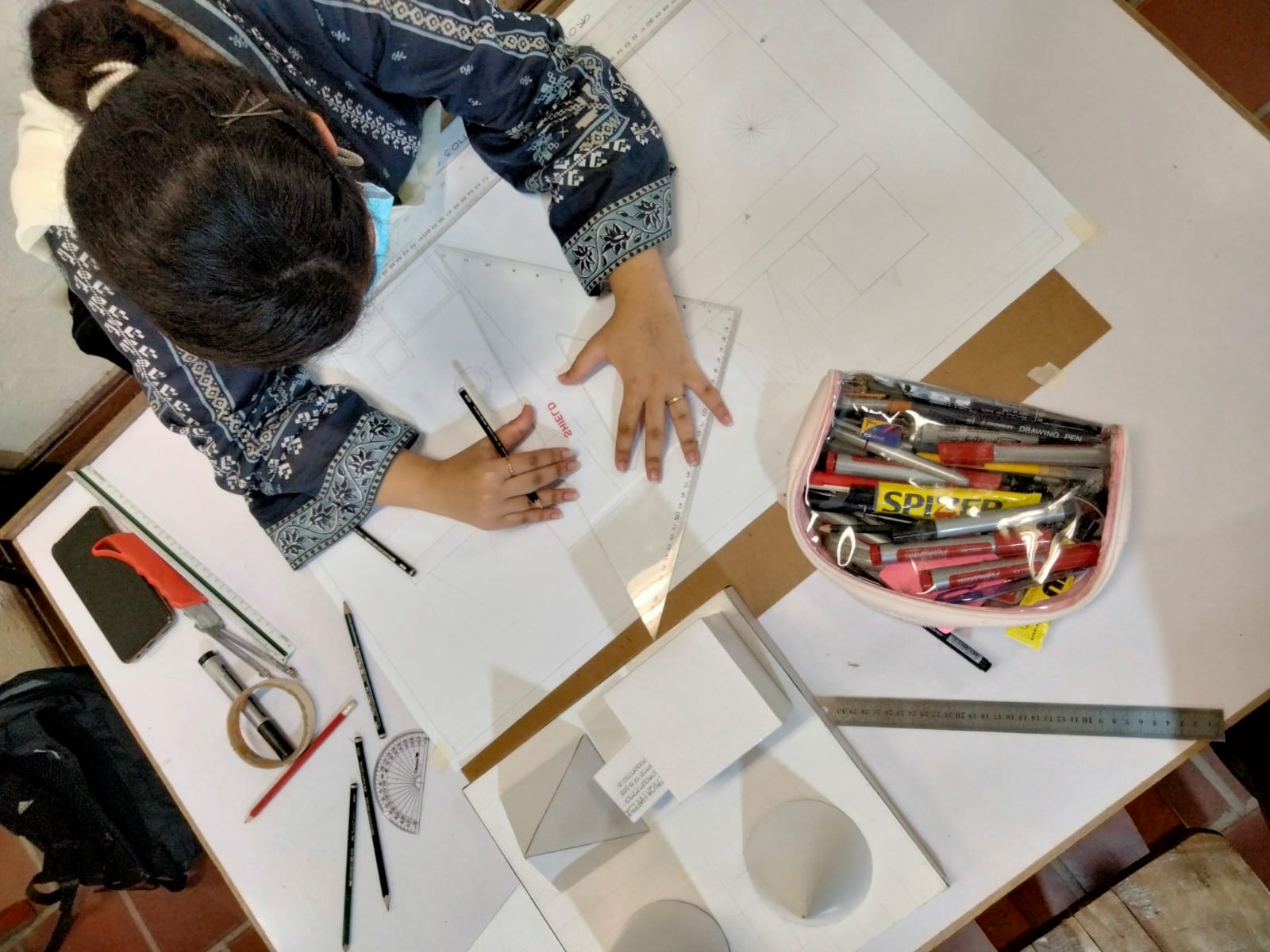
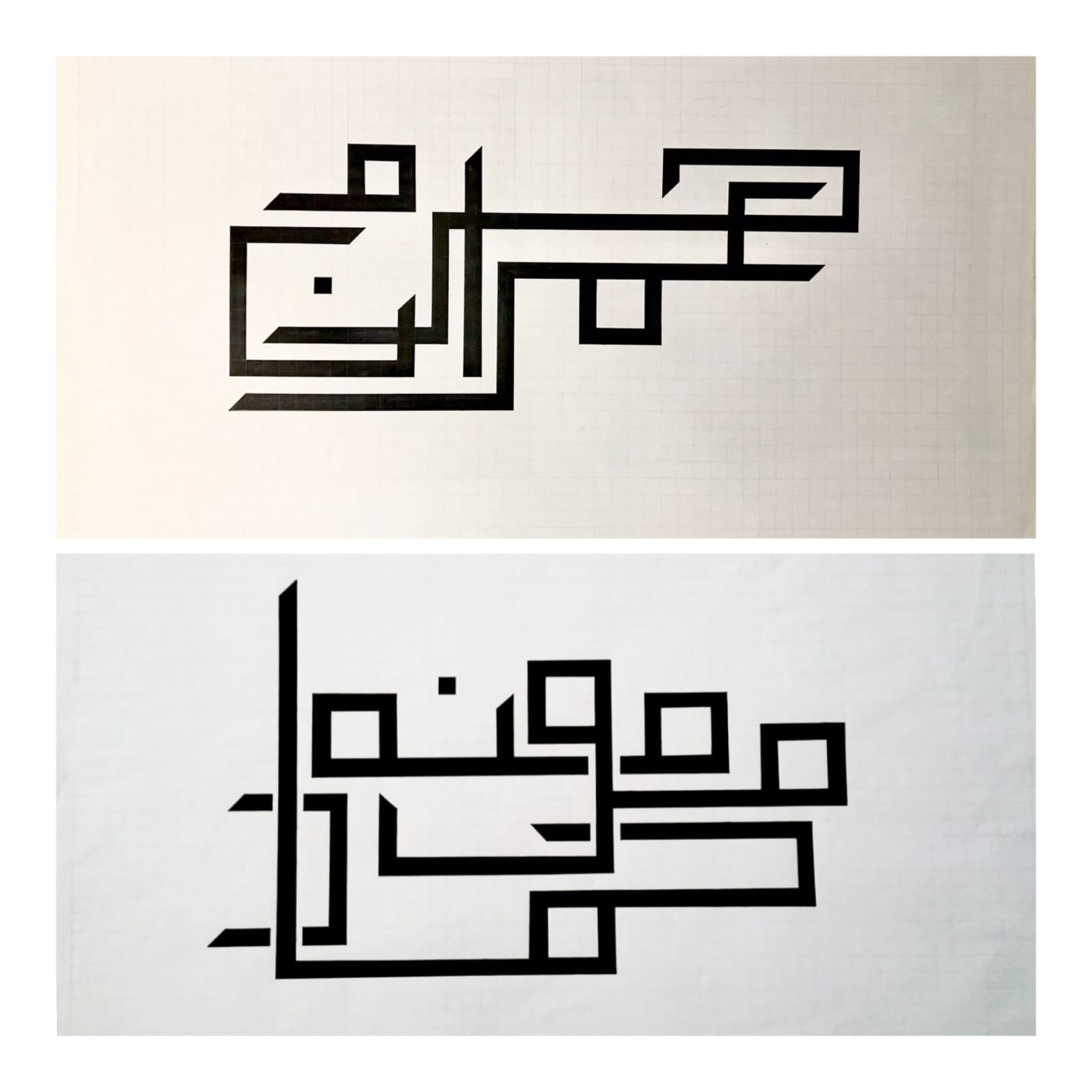
This course attends to design fundamentals as applied to the two-dimensional picture plane. It introduces students to the basic visual elements of design: point and line, shape and form, texture, value, colour, and space. With hands-on activities and assignments, a distinctive sense of aesthetics and an eye for strong design is developed. Beyond the basics, advanced methodologies and strategies of design are also brought into focus using specific exercises, brainstorming, and a variety of techniques. Students’ developmental and manual skills to cope with design problems and to establish visual values for structuring and articulating two-dimensional spatial compositions in different media. The concepts and laws taught in the latter part of this course pertain to gestalt groupings, depth, and perception which are learned through lectures and demonstrations. Students are made capable of confronting their responsibilities (and idiosyncrasies) in designing and develop a greater familiarity with the subject matter.
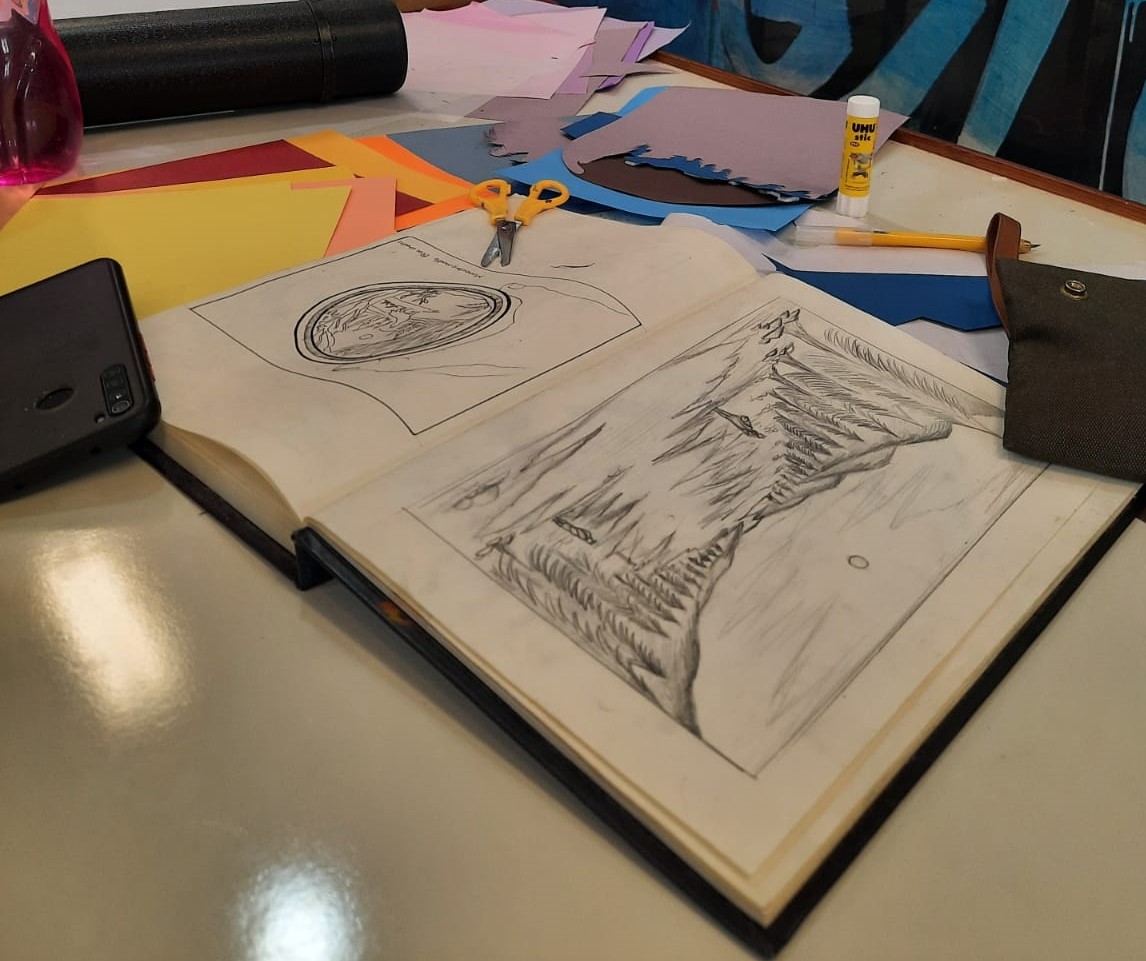

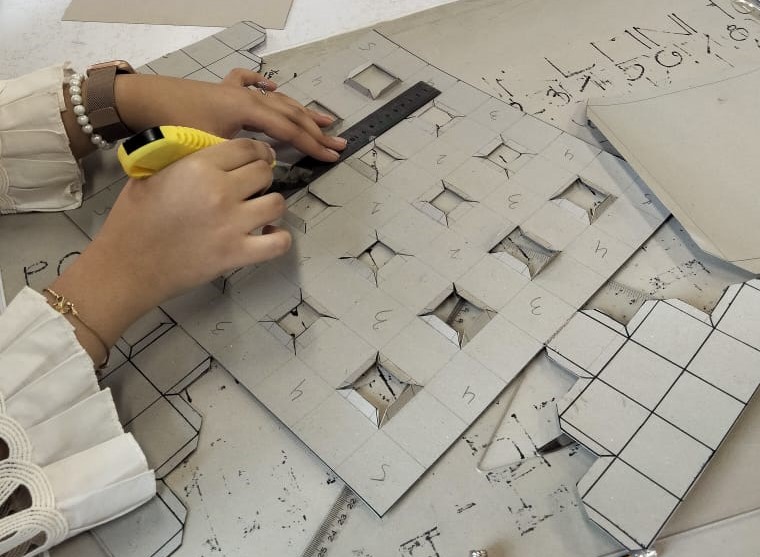
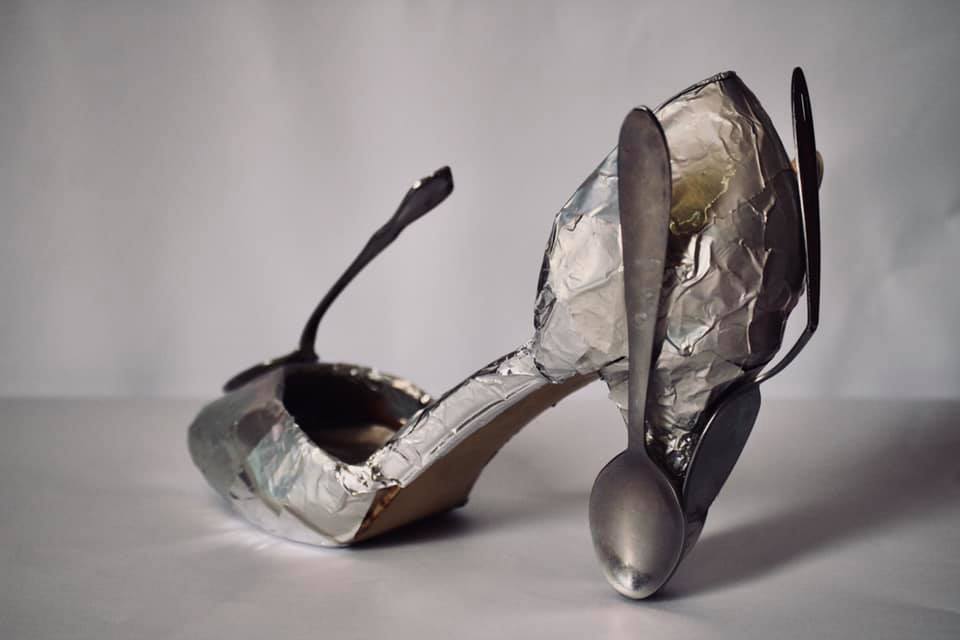
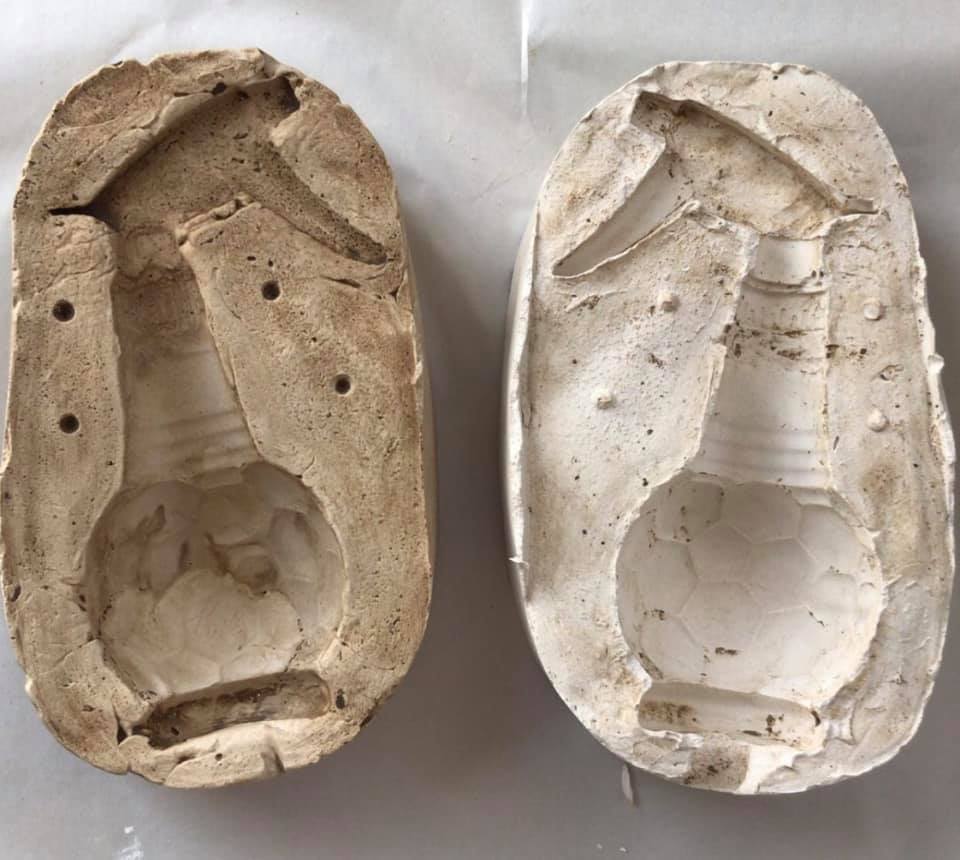
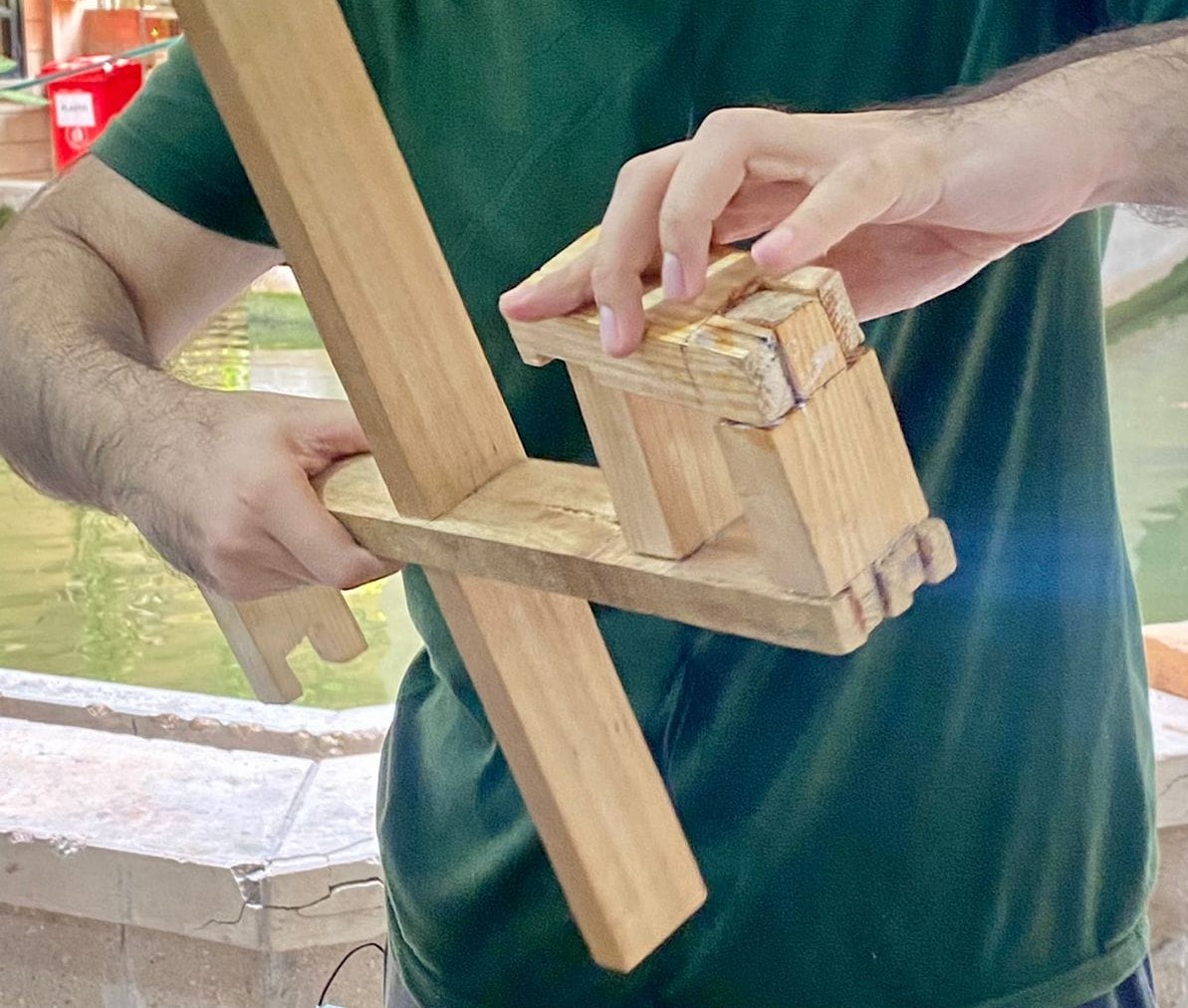
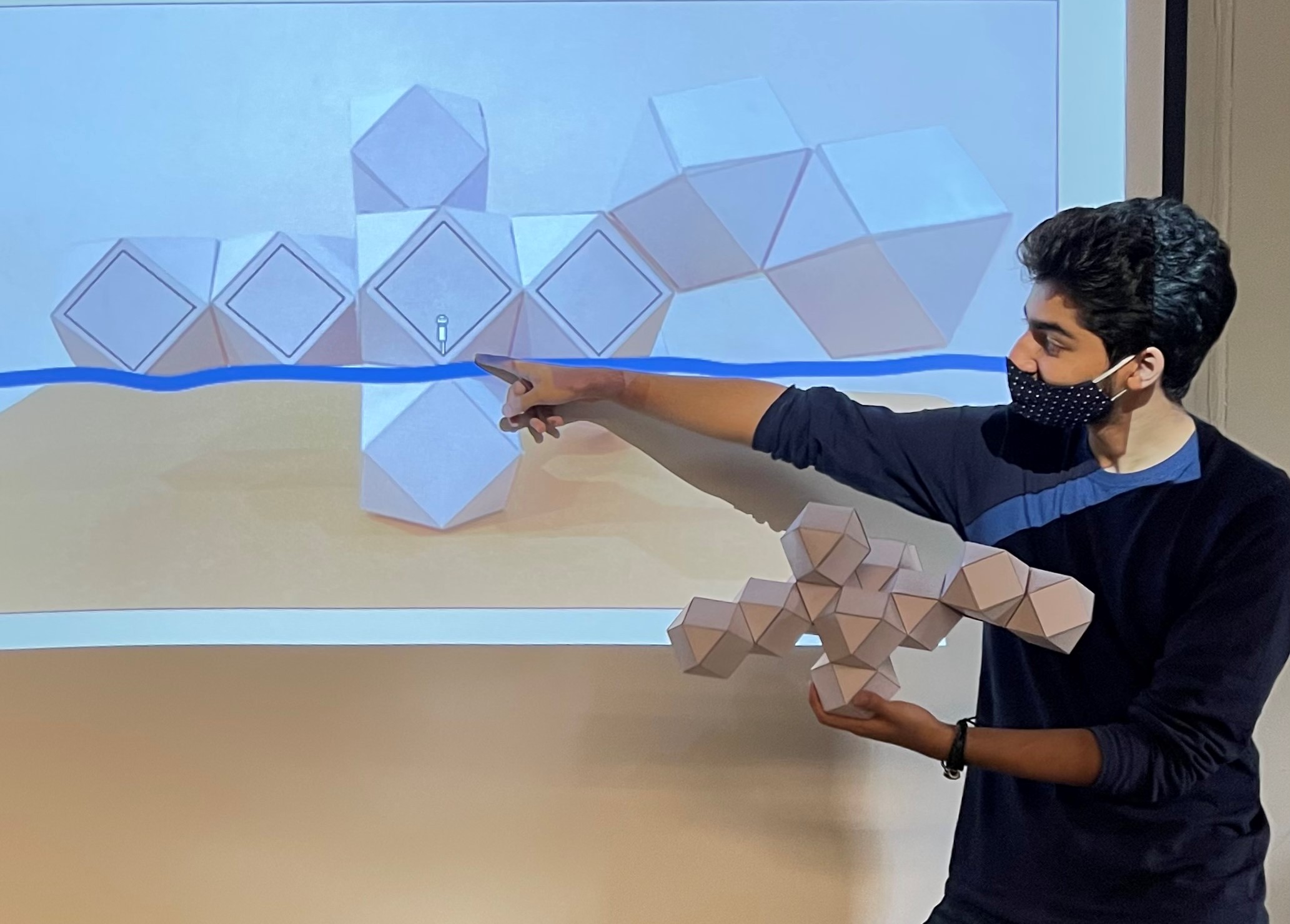
The course encompasses exploration and learning of converting 2D shapes into 3-Dimensional Form & the characteristics of Space vis-a-vis the understanding of Material, Structure and Volume. In the first semester, the learning is focused on the understanding of basic geometric forms with regard to elements and principles of design. The Form is studied in detail via the breakdown of its components in relation to surface, grids and material exploration. In the second semester, students are presented with problem-solving activities that tackle the development of overarching concepts of Form & Space.
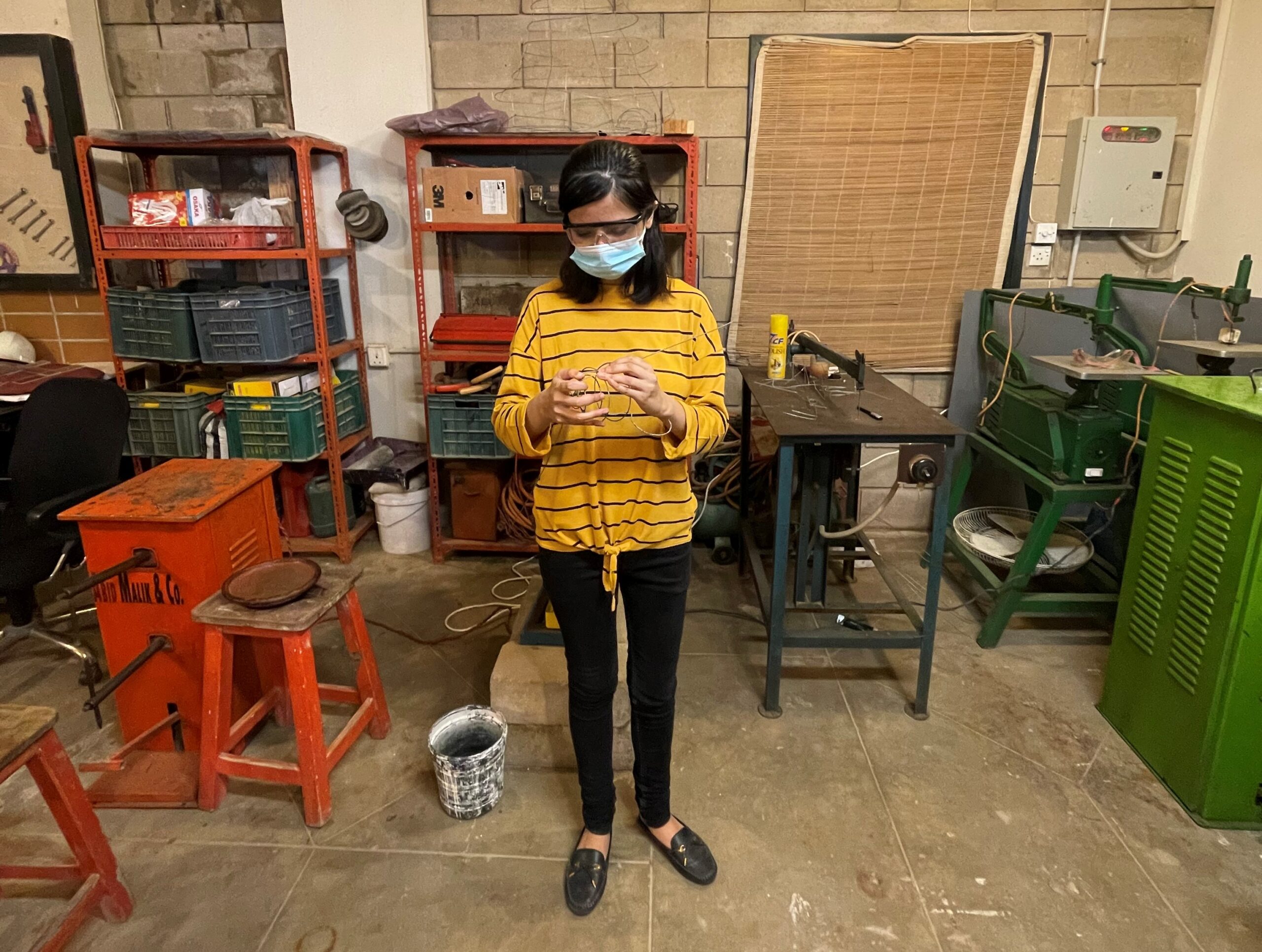
The studio practice works alongside the workshop and its tools. Here, students involve cognitive, strategic and practical methodologies to learn about various materials and processes. Within the scope of each assignment is an overlap of multiple areas of learning that help students identify and tackle 3D Design in the real world. Throughout the year, students engage in primary & secondary research. This includes visual identifications and academic readings which inform a broader understanding of the design fundamentals.
Visual and Material Cultures I (Spring Semester)
This course takes as its premise a decolonial commitment to decentering the Western canon. It draws on visual and material cultures of numerous pasts and presents to complicate our understanding of a curated set of thematic propositions. The simultaneity of approaches from various cultures converging under an organising schema creates polyphonic rhythms, disrupting and destabilising colonial protocols of knowing and learning. In our multifarious, fragmented, and often visually inundated present moment, how do students begin to think about the proliferation of images and materials in the everyday? What are some ways through which students can foster criticality about the same? Through this course, students will read about, analyse, and decode visuals and materials, enabling them to engage with their social and political milieus in nuanced ways. Visual and Material Cultures I is a prerequisite for Visual and Material Cultures II, which students will take in their third semester at IVS.
Visual and Material Cultures II (Third Semester)
This course builds on some of the themes introduced in Visual and Material Cultures I such as nationalism and post-coloniality, and introduces new ones namely racism, protest, and monumentality. It encourages students to think critically about how social realities and movements interface with the way art institutions are run and affect art making and its display. Students will use tools of visual analysis in combination with social history, develop skills in secondary research, and learn to articulate their own reflections with supporting evidence.
The second course being offered by Liberal Arts is Histories of Art, Design and Architecture which is based on three modules of art, design, and architectural history that is part of the LA core curriculum at IVS. The three modules provide broad surveys of movements and developments in cultural and civilizational histories that are manifest in the art, design, and architecture from pre-history to pre-Contemporary. The two modules are taught in the foundation year whereas the third module is introduced in the second year.
People
- Full-time Faculty
- Visiting Faculty
- Staff
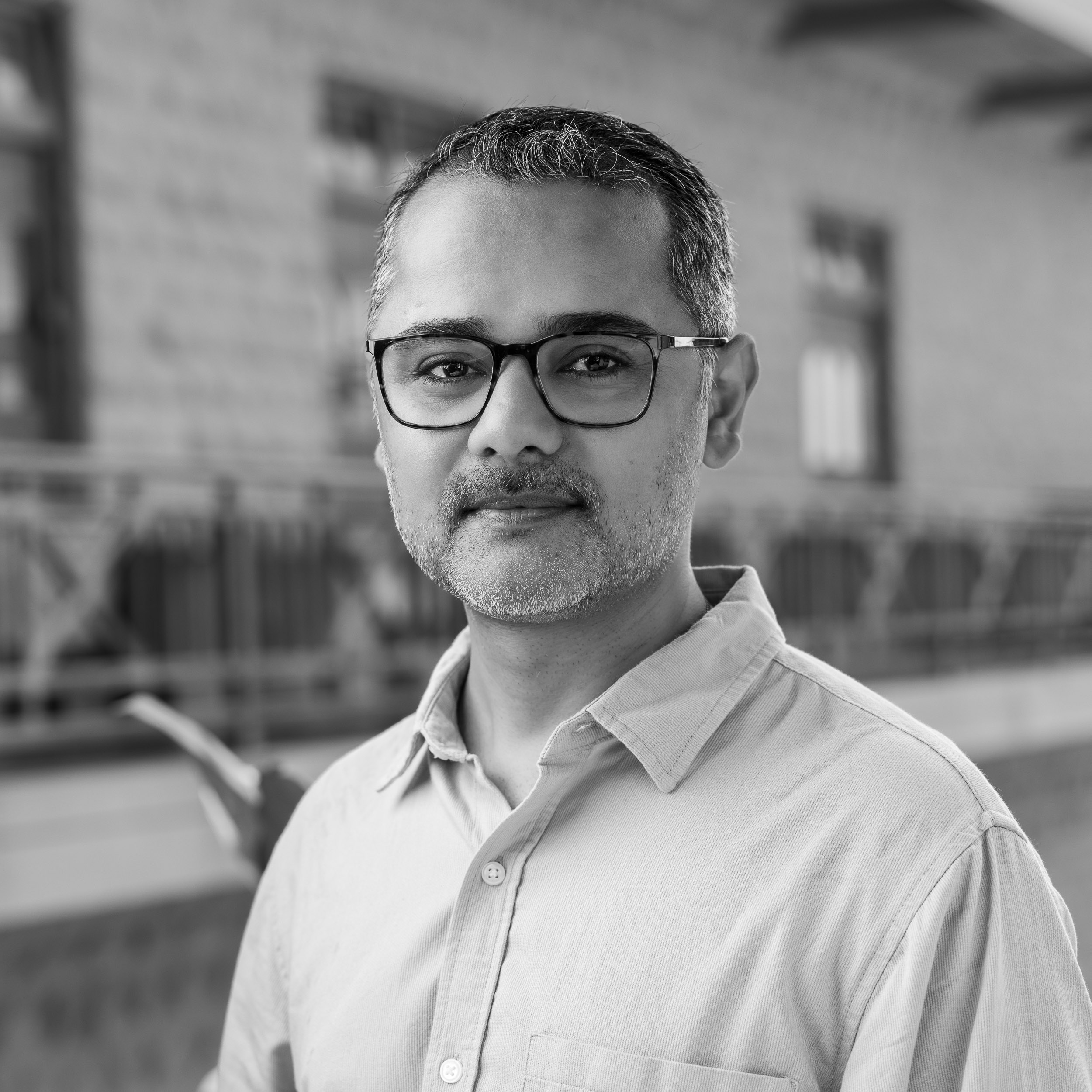
Sohail Abdul Malik Abdullah
Assistant Professor
- MFA Craft and Material Studies, Virginia Commonwealth University, School of the Arts, Richmond, Virginia, USA
- BFA, Indus Valley School of Art and Architecture, Karachi, Pakistan
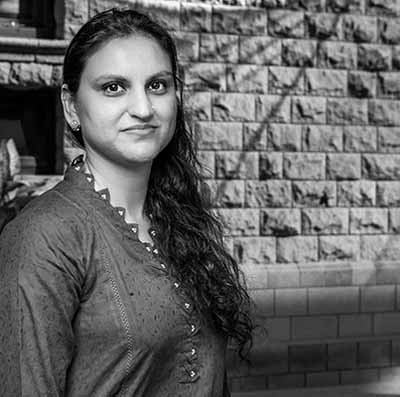
Farah Rizwan
Assistant Professor and Head of Department
- MA Art Education, School of Visual Arts & Design (SVAD) Beaconhouse National University, Lahore, Pakistan.
- B. Arch, Indus Valley School of Art and Architecture, Karachi
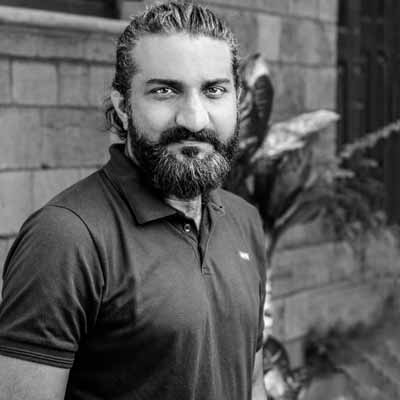
Munawar Ali Syed
Associate Professor
- M.A, Art and Design Education, Beaconhouse National University, Lahore, Pakistan
- BFA, National College of Arts, Lahore, Pakistan
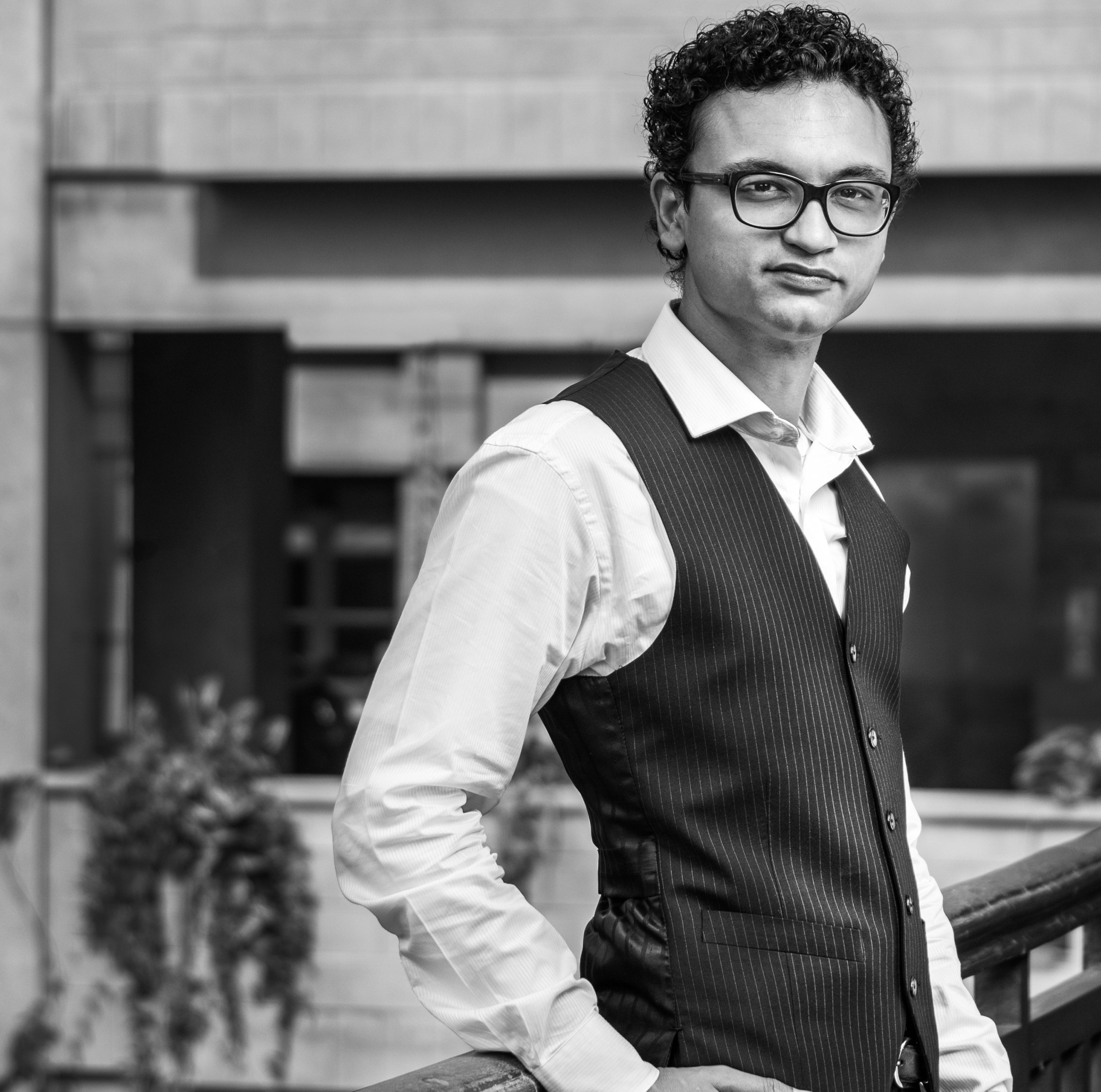
Hammad Anees
Assistant Professor
- B. Arch, Indus Valley School of Art and Architecture, Karachi, Pakistan
Affan Baghpati
Assistant Professor
- MA in Art and Design Studies, Beaconhouse National University, Lahore
- BFA, Indus Valley School of Art and Architecture, Karachi, Pakistan
Syed Danish Ahmed
Associate Professor
- MFA, Fine Art (Painting), University of New South Wales, Sydney, Australia
- B.A, University of Karachi, Pakistan
- Four-year Diploma in Fine Arts – Painting, Karachi School of Art, Karachi, Pakistan
Kamran Haider
Lecturer
- MBA, West Coast Institute of Management Technology, Karachi, Pakistan
- B. Tech, Civil Engineering, Indus University, Karachi, Pakistan
- Diploma in Civil Engineering, GCT
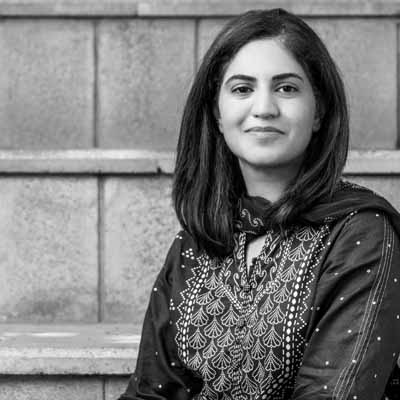
Faiqa Jalal
Assistant Professor
- B. Des, National College of Arts, Lahore, Pakistan
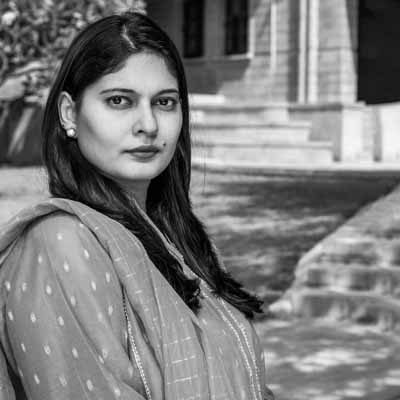
Javaria M. Rafiq
Assistant Professor
- B. Des, University of Karachi, Pakistan
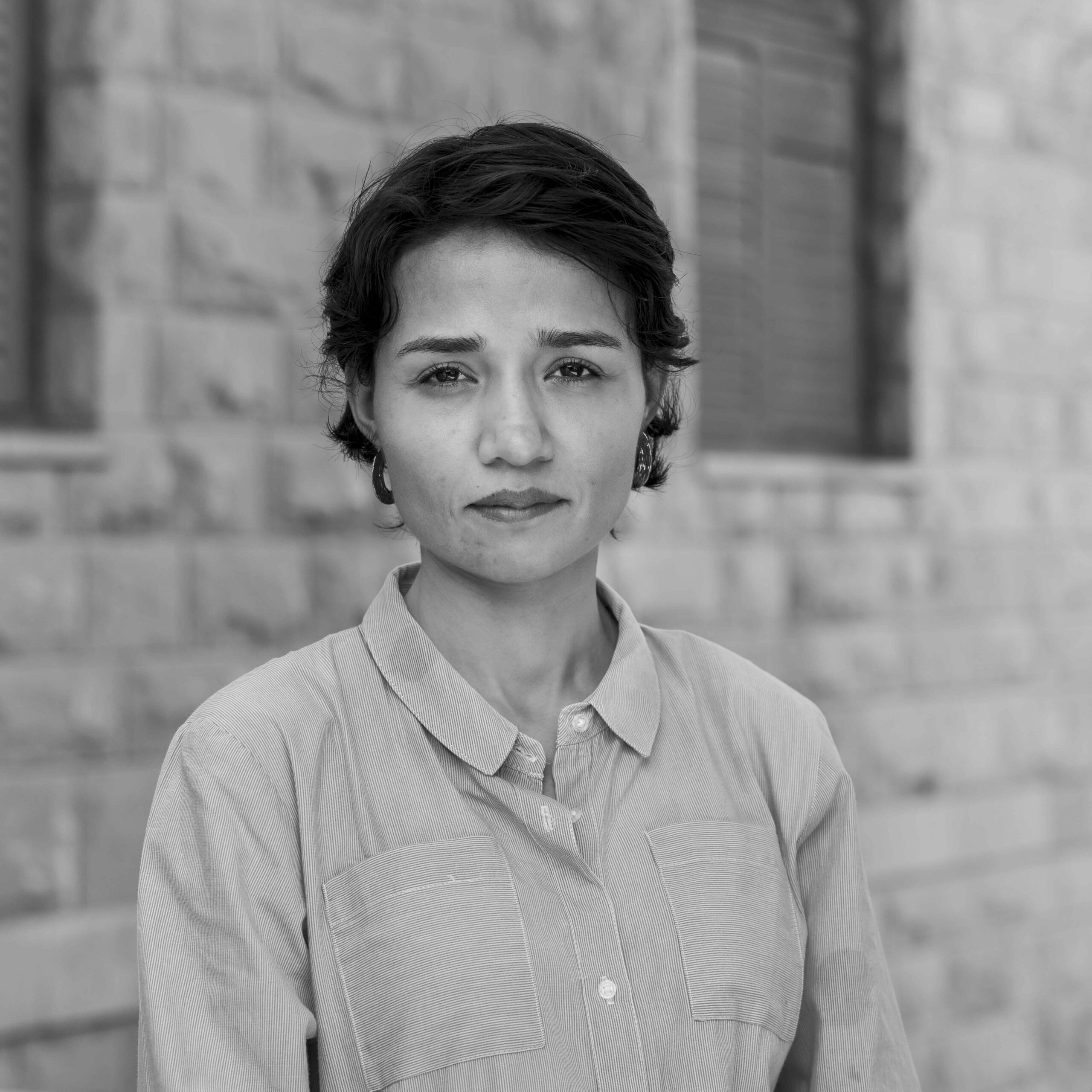
Adeela Shah
Assistant Professor
- MPhil in Creative Practice in Art and Design, Indus Valley School of Art and Architecture, Pak
- PDQ Certificate Teaching and Learning with Digital Technology from Cambridge
- Masters in Philosophy Karachi University, Pak
- BFA in Painting, National College of Arts, Lahore, Pakistan
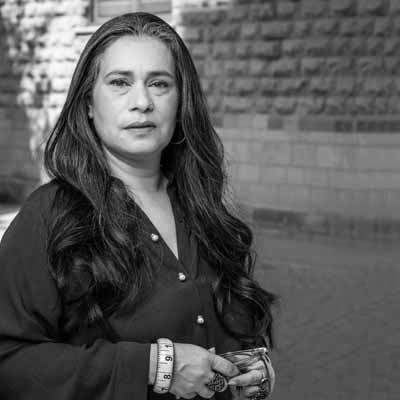
Nurayah Sheikh Nabi
Associate Professor
- MA Art Education, School of Visual Arts and Design (SVAD) Beaconhouse National University, Lahore, Pakistan
- BFA Printmaking/Sculpture, National College of Arts, Lahore, Pakistan
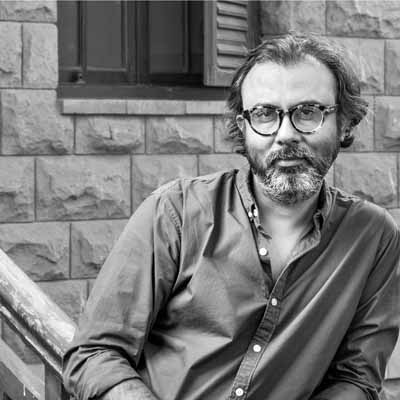
Adeel Uz Zafar
Assistant Professor
- BFA, National College of Arts, Lahore, Pakistan
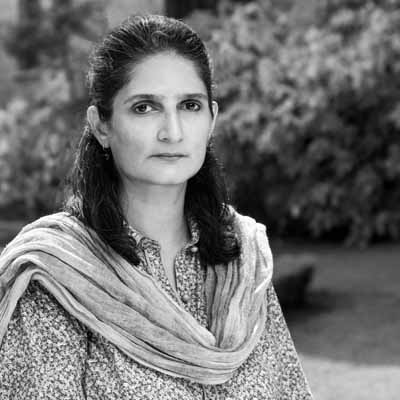
Aliya Yousuf
Assistant Professor
- M.A, Art and Design Education, Beaconhouse National University, Lahore, Pakistan
- PGD, Photography, IVS, Karachi, Pakistan
- BFA, Indus Valley School of Art and Architecture, Karachi, Pakistan
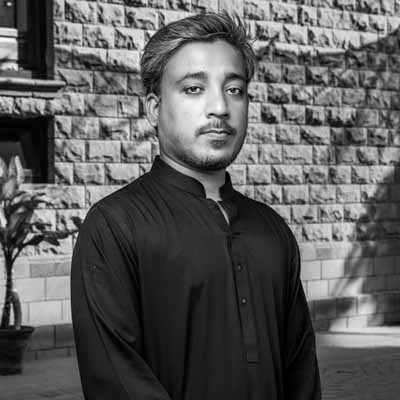
Fraz Abdul Mateen
- Diploma in Fine Art, Karachi School of Art
- B.A, University of Karachi
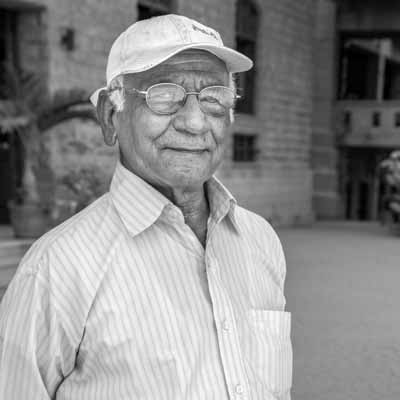
Khalil Ahmed
- Diploma in Graphic Design, National College of Arts, Lahore
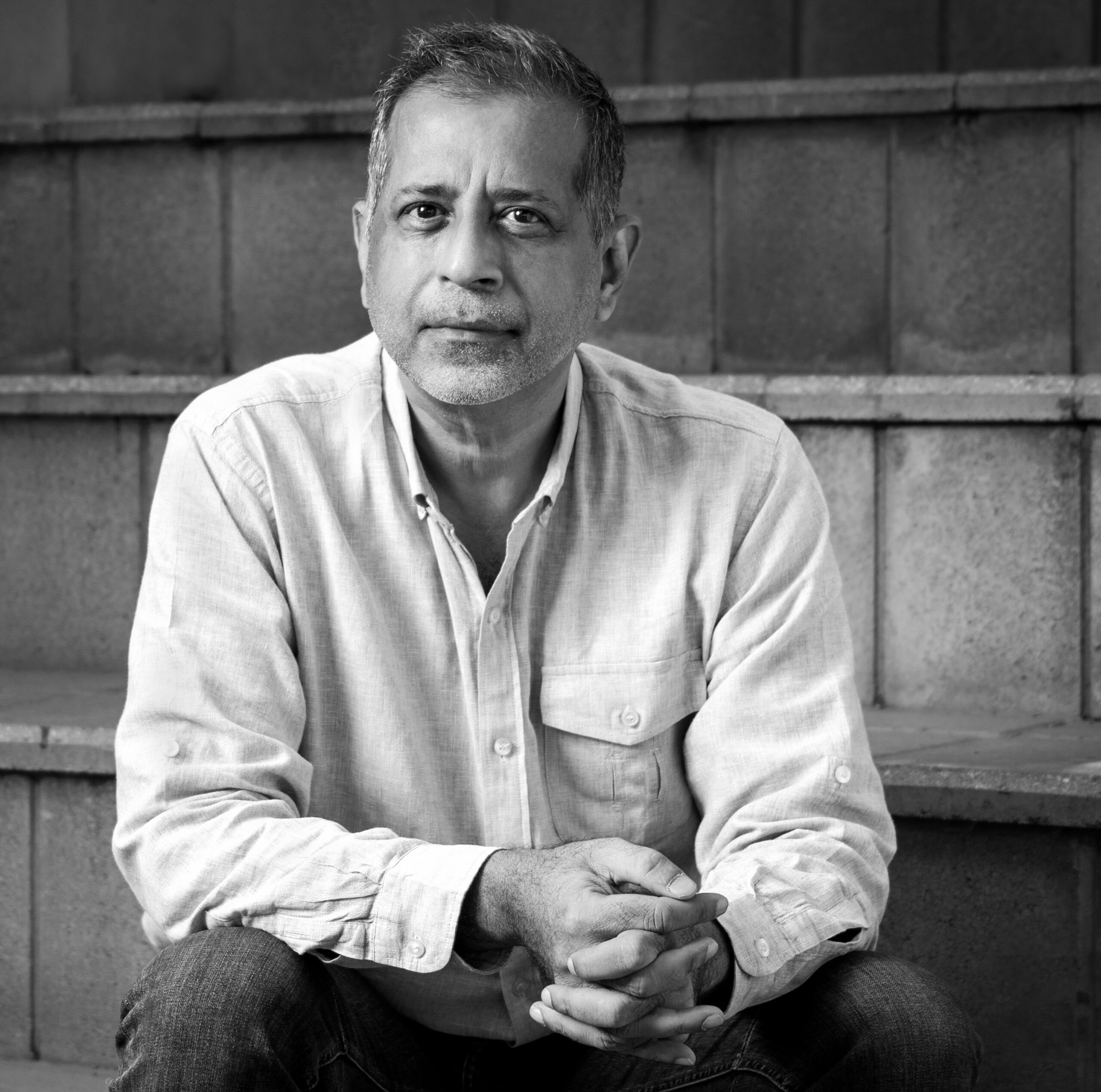
Arshad Faruqi
- M. Arch, Illinois Institute of Technology, USA
- B. Arch, Dawood College of Engineering and Technology
- PCATP ID: A01229
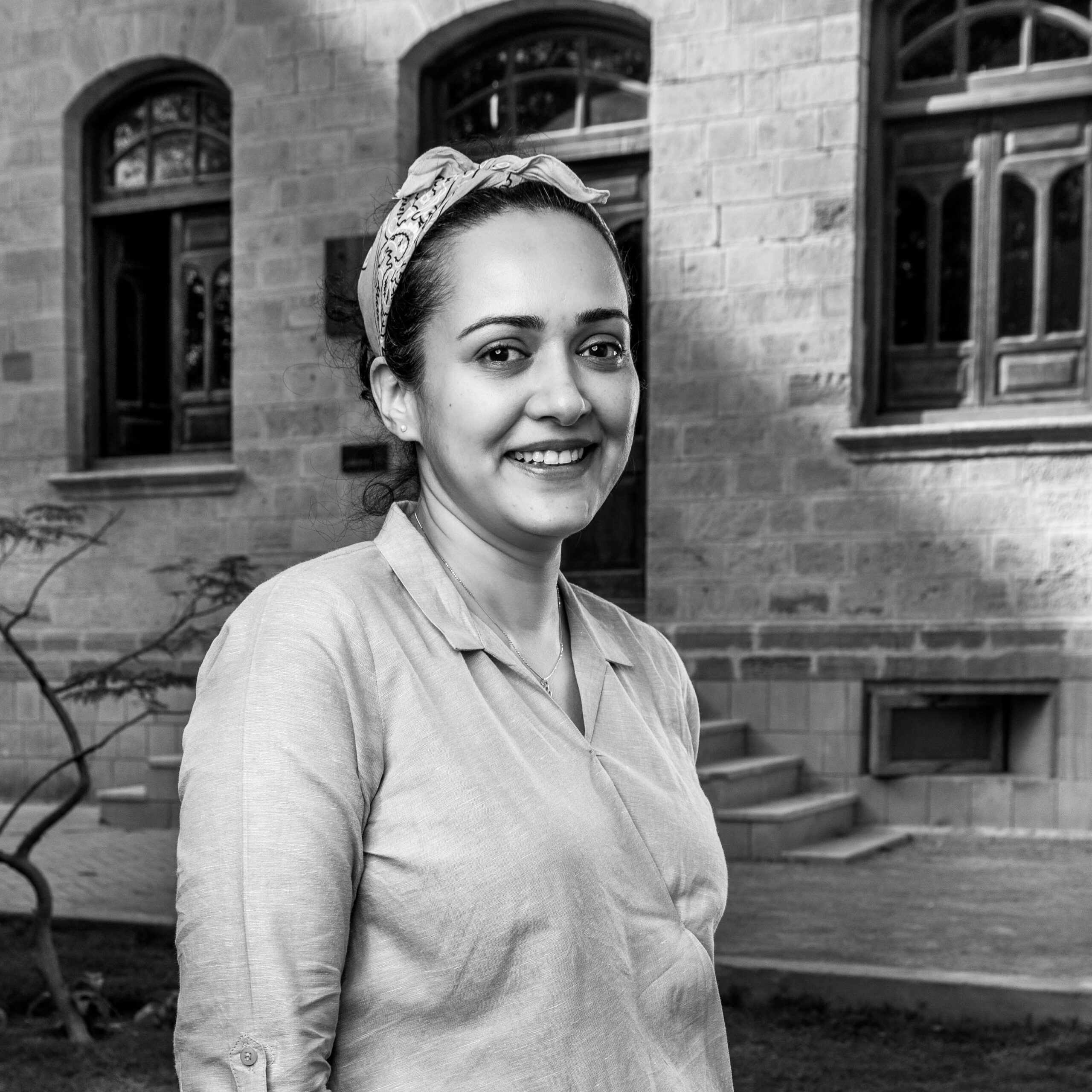
Madiha Hyder
- BFA, Indus Valley School of Art and Architecture, Karachi, Pakistan
Rushna Irfan
- B. Arch, Mehran University of Engineering and Technology, Jamshoro
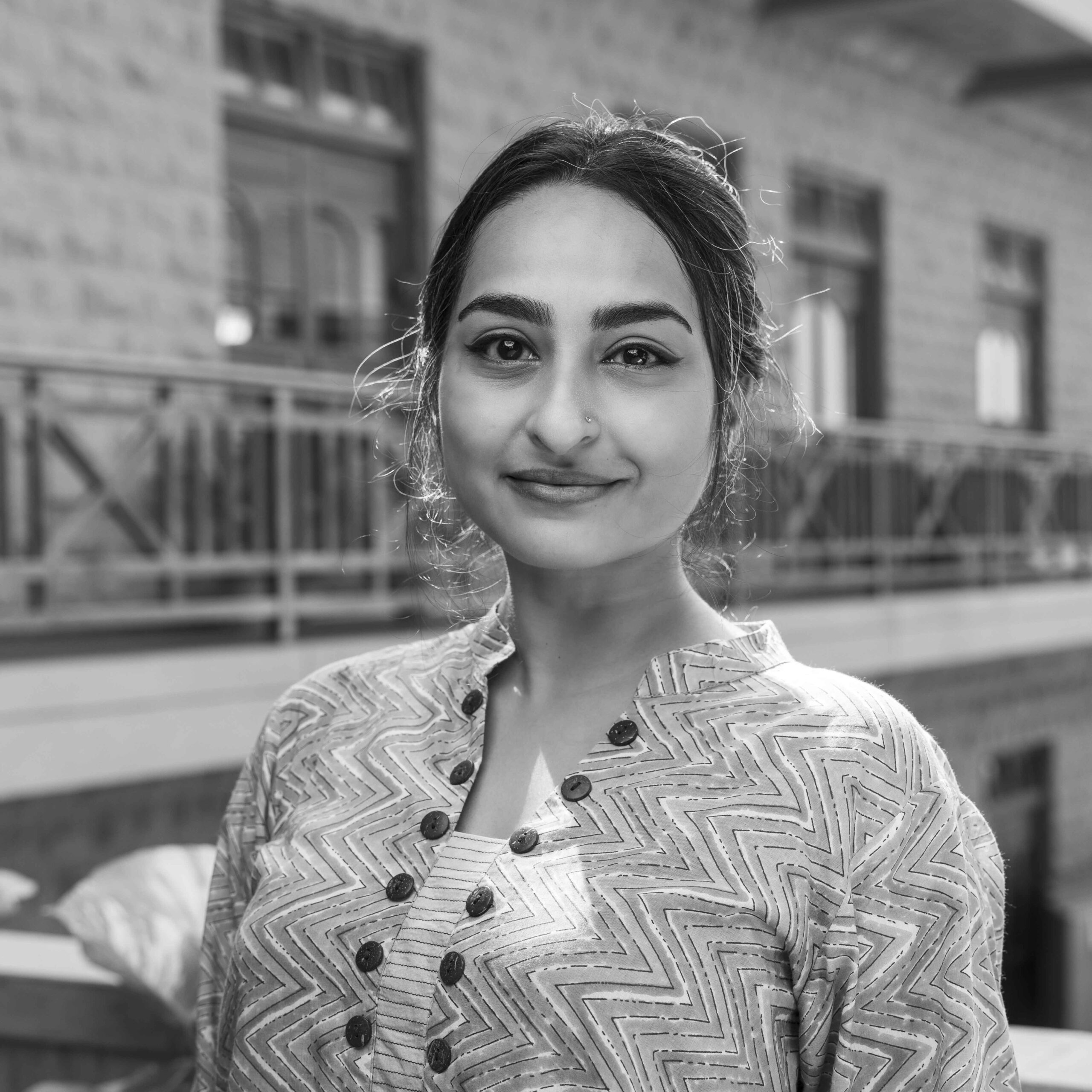
Scheherezade Junejo
- B.F.A. (Honors): National College of Arts Lahore, Pak
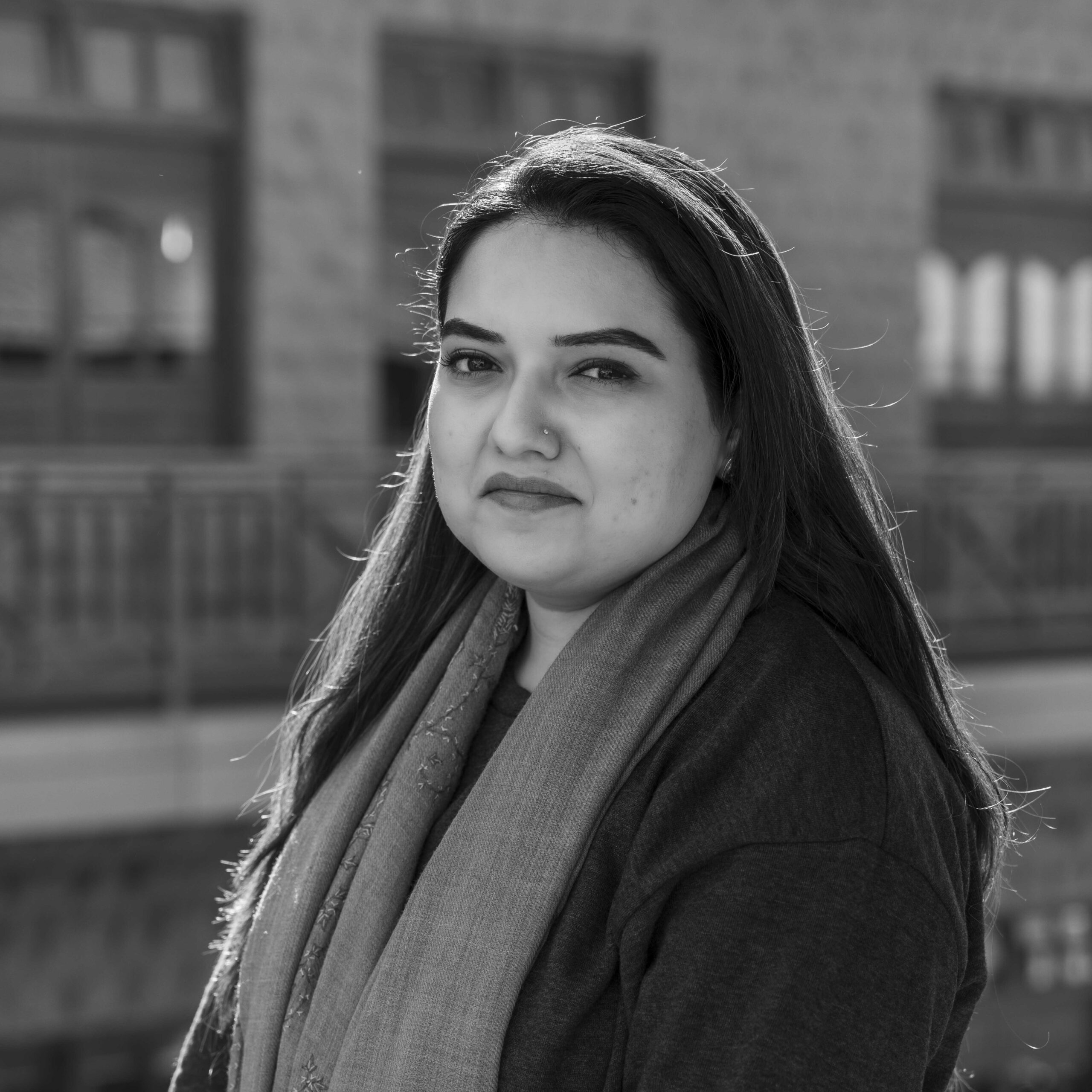
Quratulain Qamar Choudry
- M.Phil. in Art and Design, Indus Valley School of Art and Architecture, Karachi, Pakistan
- BFA, Indus Valley School of Art and Architecture, Karachi, Pakistan
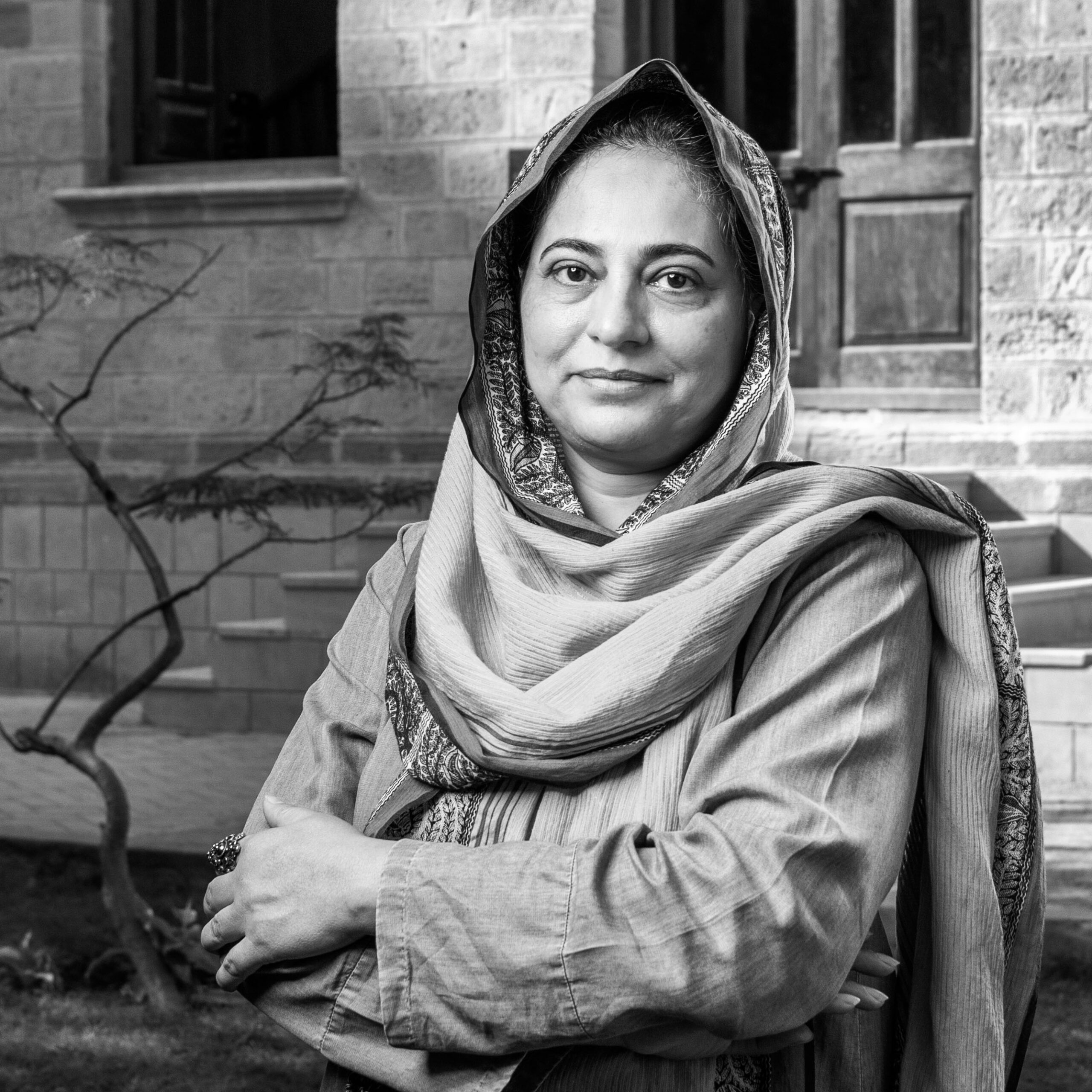
Shazia Qureshi
- M.A, Philosophy, University of Karachi
- Diploma in Fine Art, Karachi School of Art
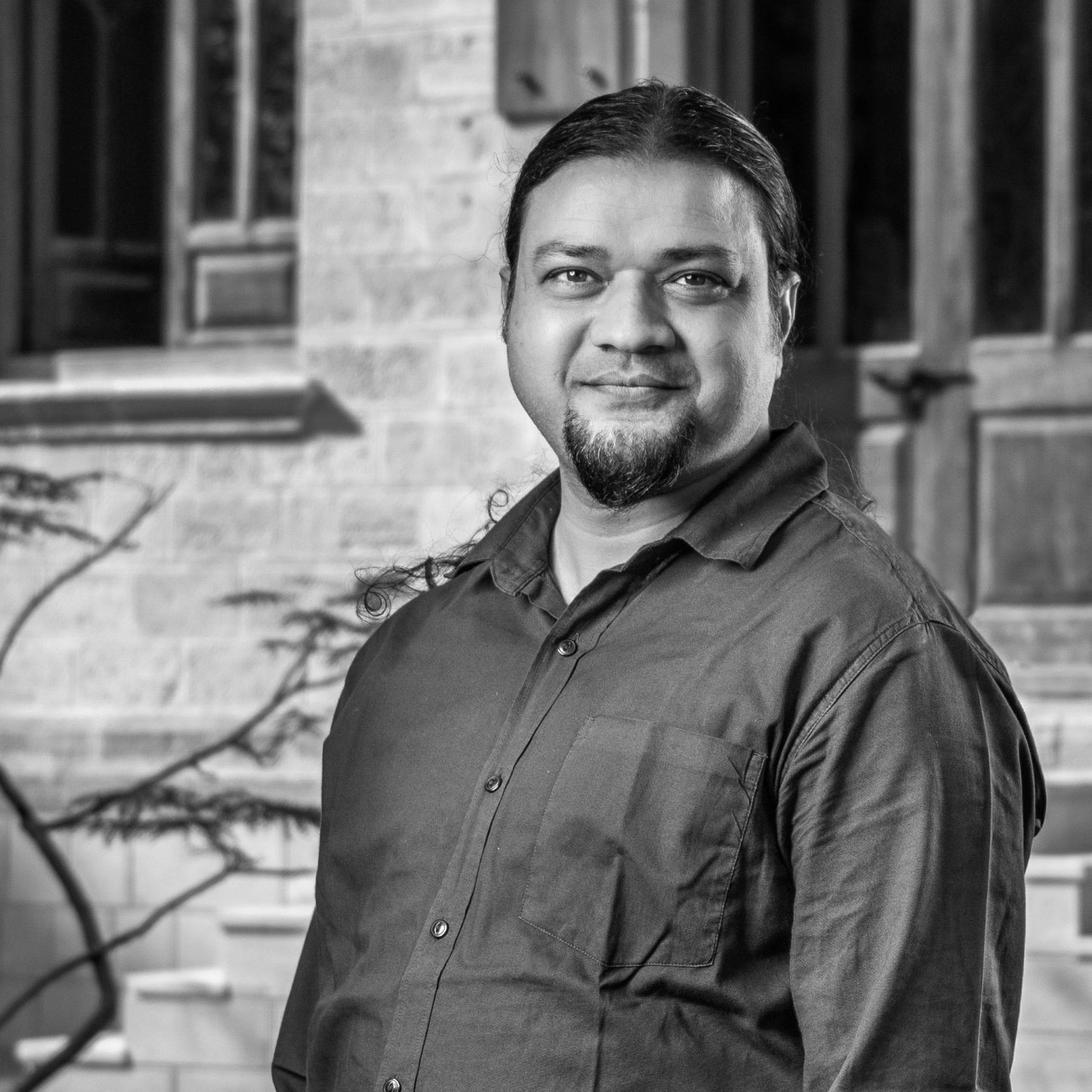
Naveed Sadiq
- MA, Visual Islamic Traditional Art, The Prince’s School of Traditional Arts, London
- BFA, National College of Arts, Lahore
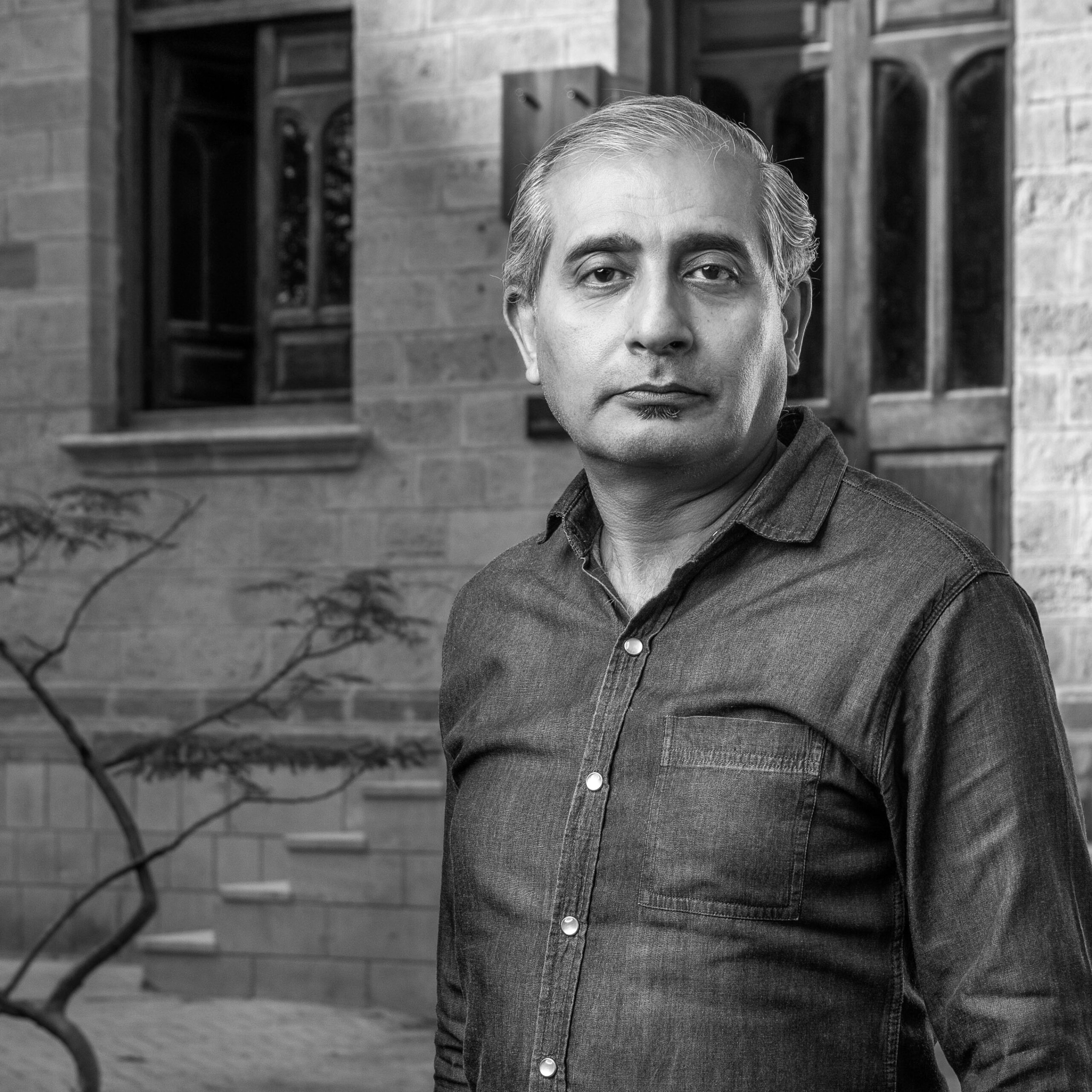
Sohail Zuberi
- Diploma in Graphic Design, Karachi School of Art
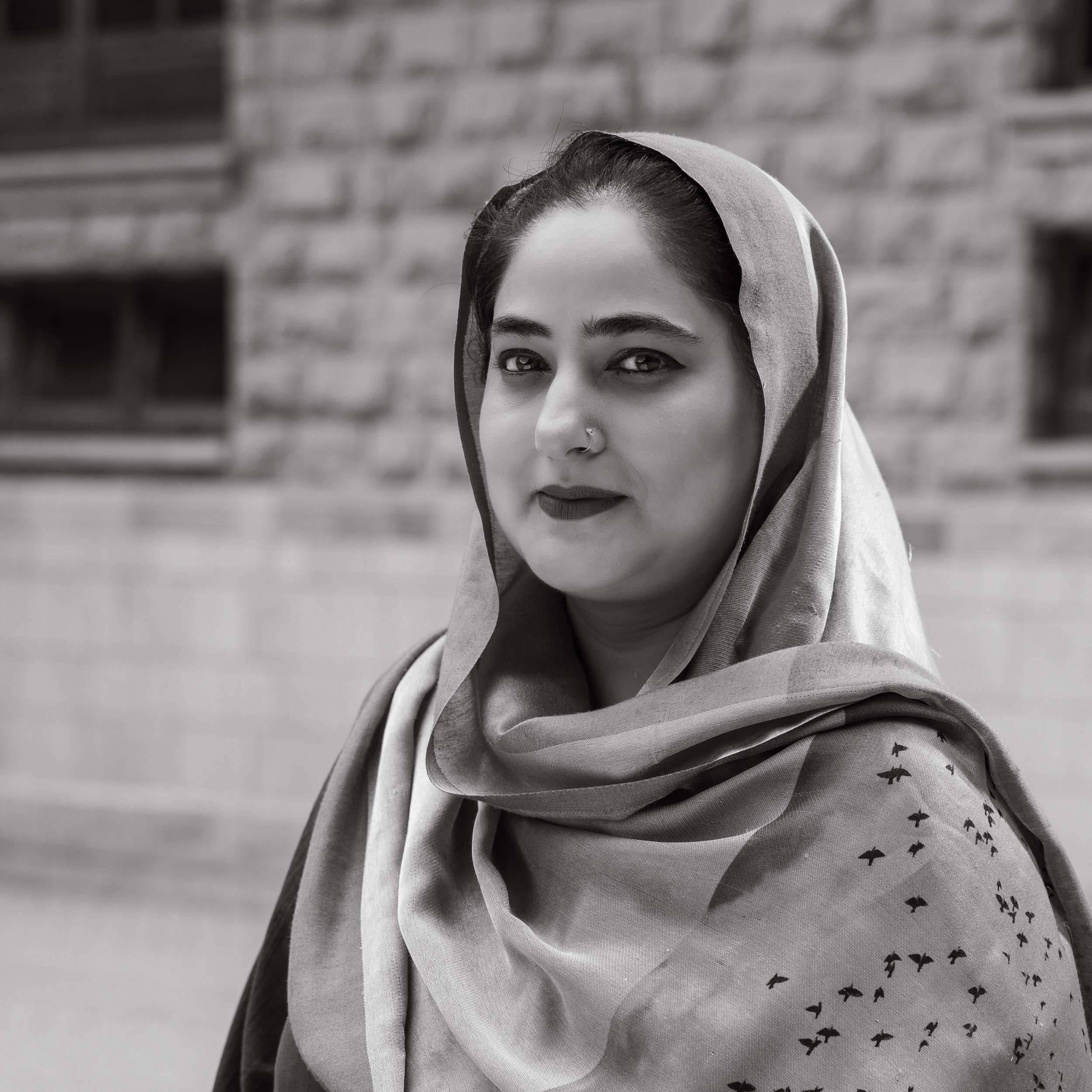
Hina Shahid Sultan
- B. Des, Indus Valley School of Art and Architecture, Karachi, Pakistan
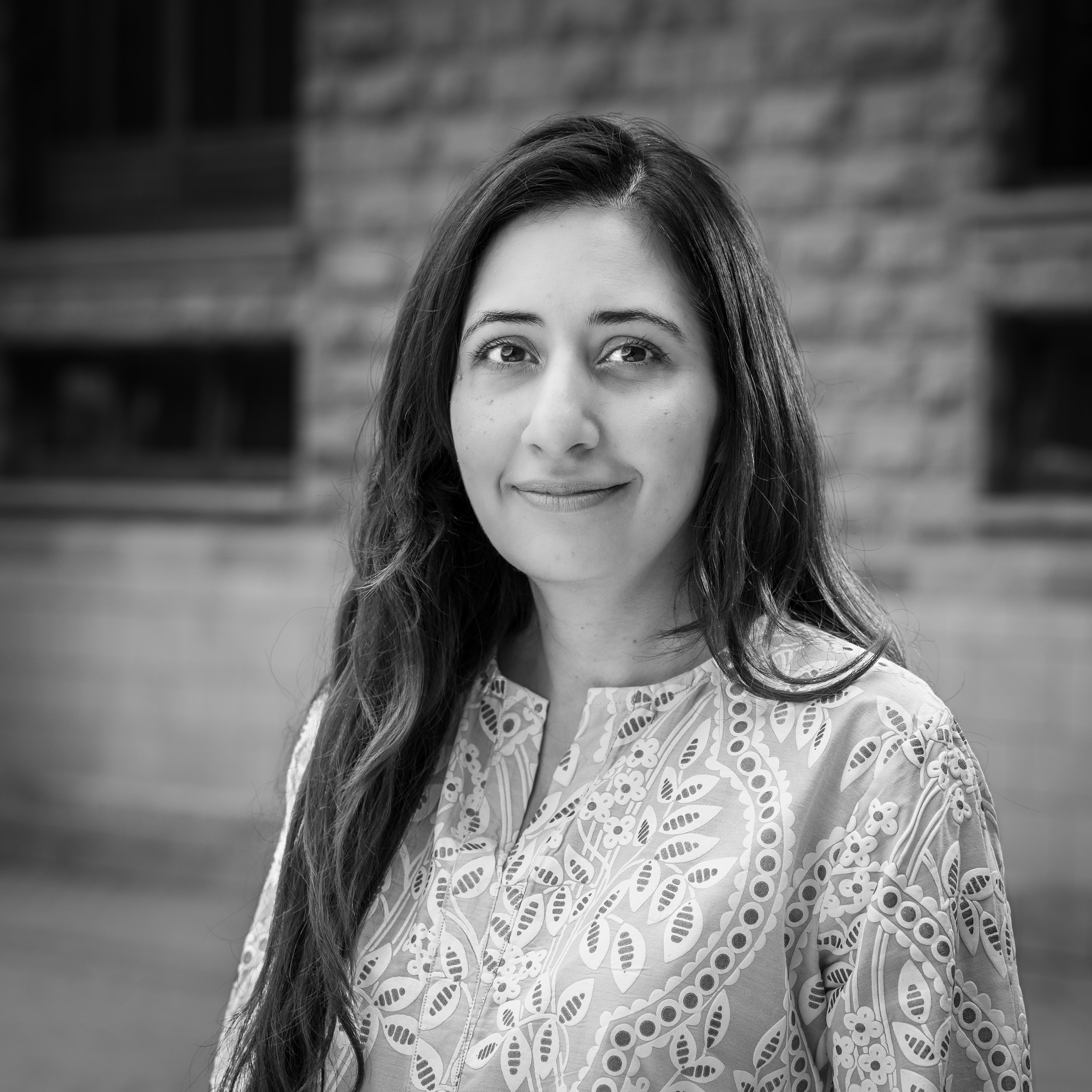
Sara Suleman
- M.F.A, Film and Media Arts, Temple University, Philadelphia PA, USA.
- B.A., Graphic Design/Creative Writing, Moravian College, PA, USA.
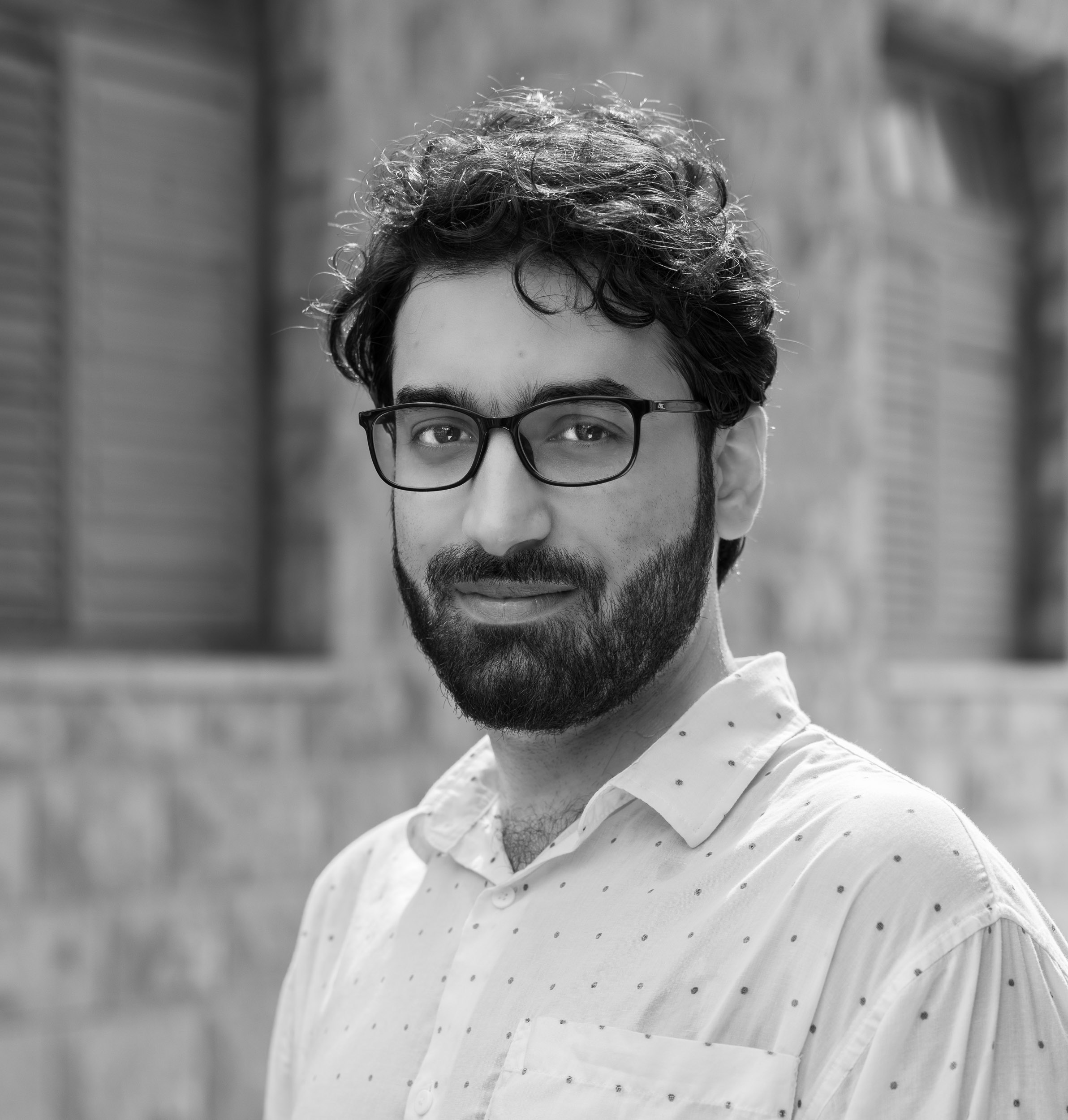
Junaid Khan
- B.Arch. Beaconhouse National University, Pakistan.
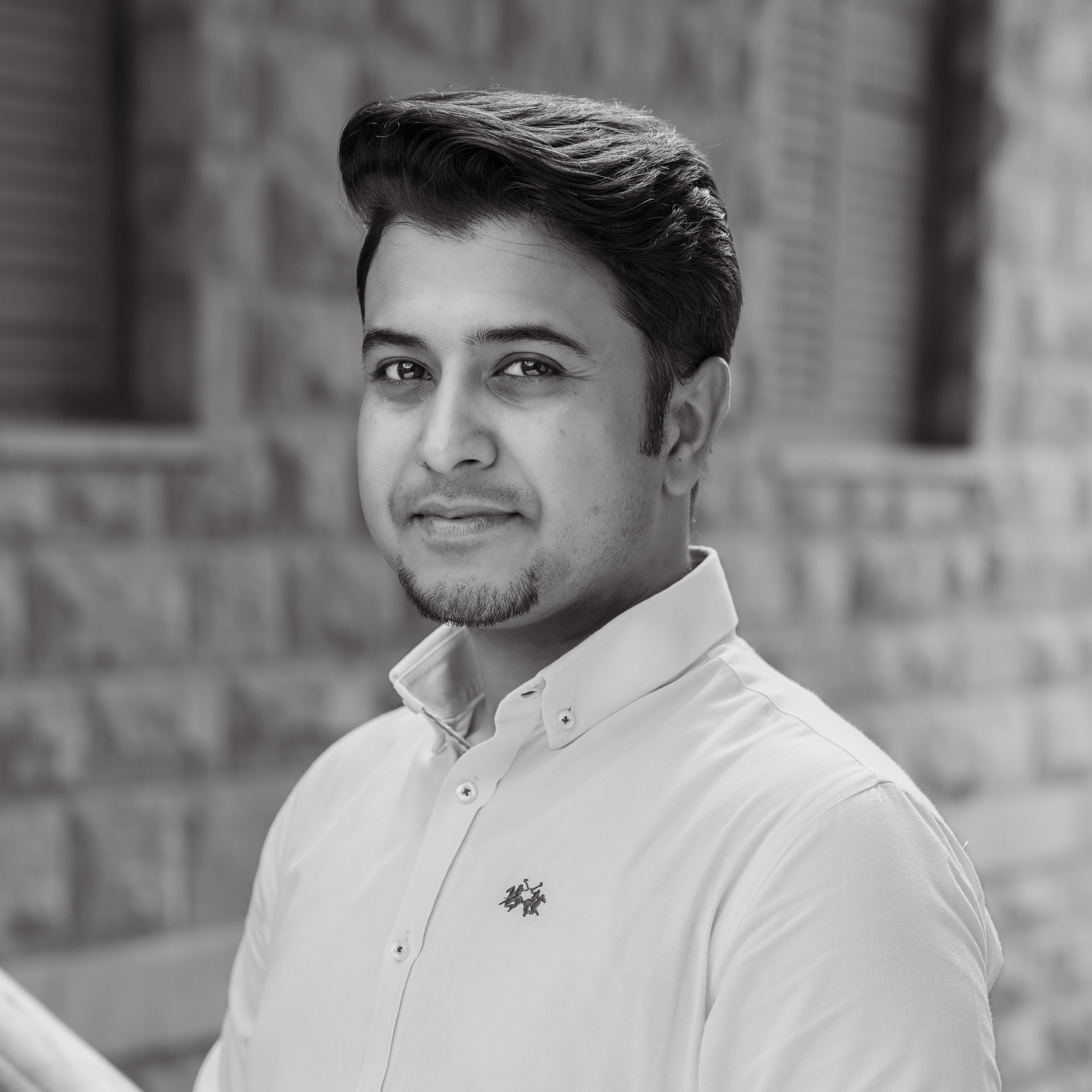
Muhammad Abrar Khokhar
- Masters in Design and Merchandising, Iqra University , Pakistan
- B. Des (Interior Design), Indus Valley School of Art & Architecture, Karachi, Pakistan
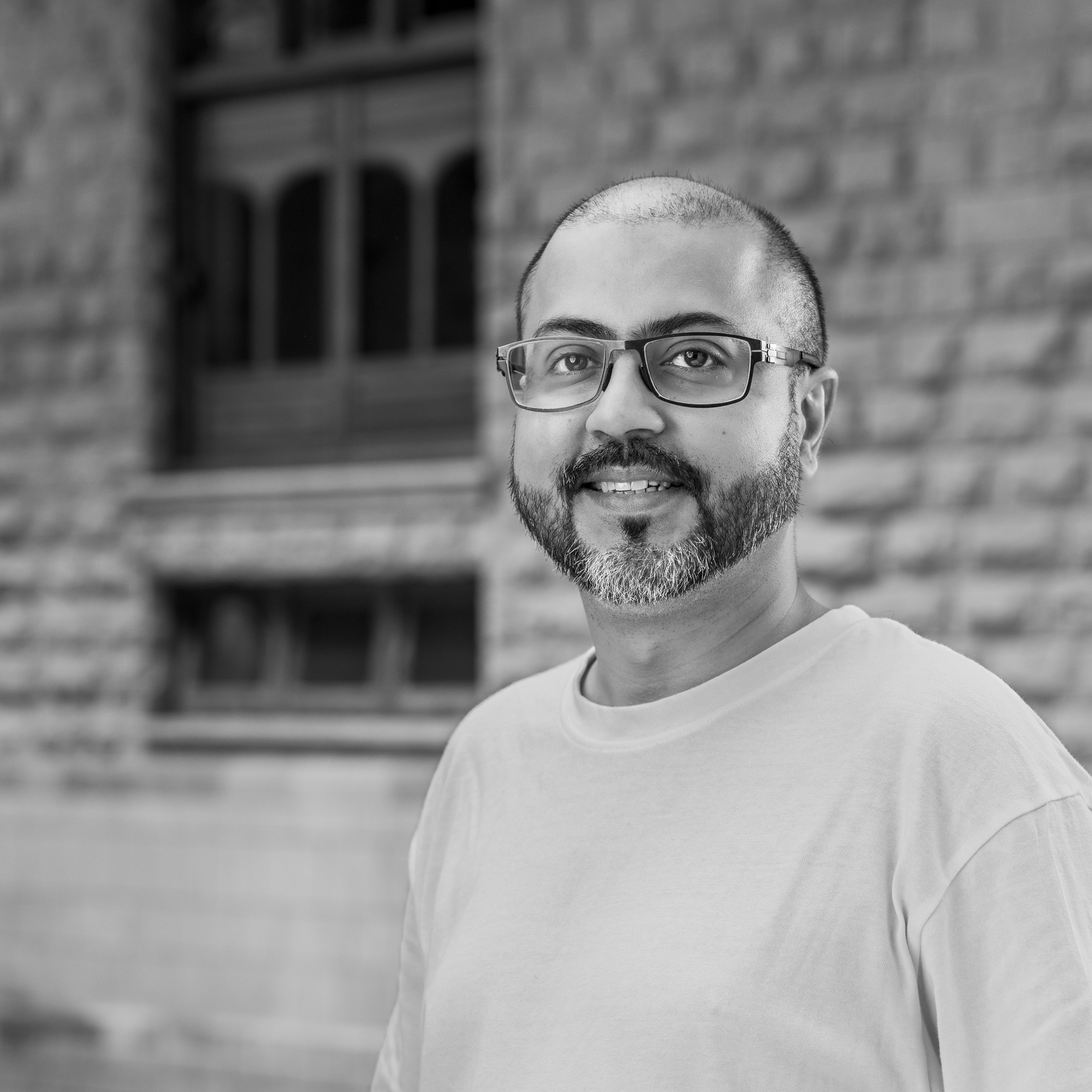
Ali Reza Dossal
- MA, Sustainable Architecture Production, Umeå School of Architecture- Umeå, Sweden.
- B.Arch, Indus Valley School of Art and Architecture, Karachi, Pakistan.
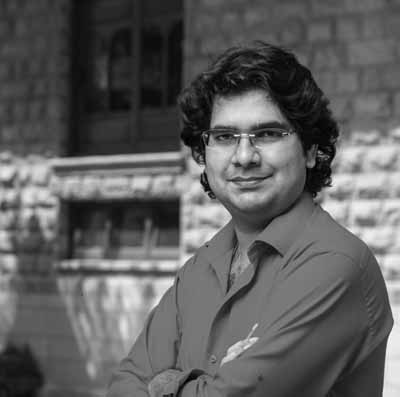
Hassaan Naushad
Academic Programme Officer
- hassaan.naushad@ivs.edu.pk
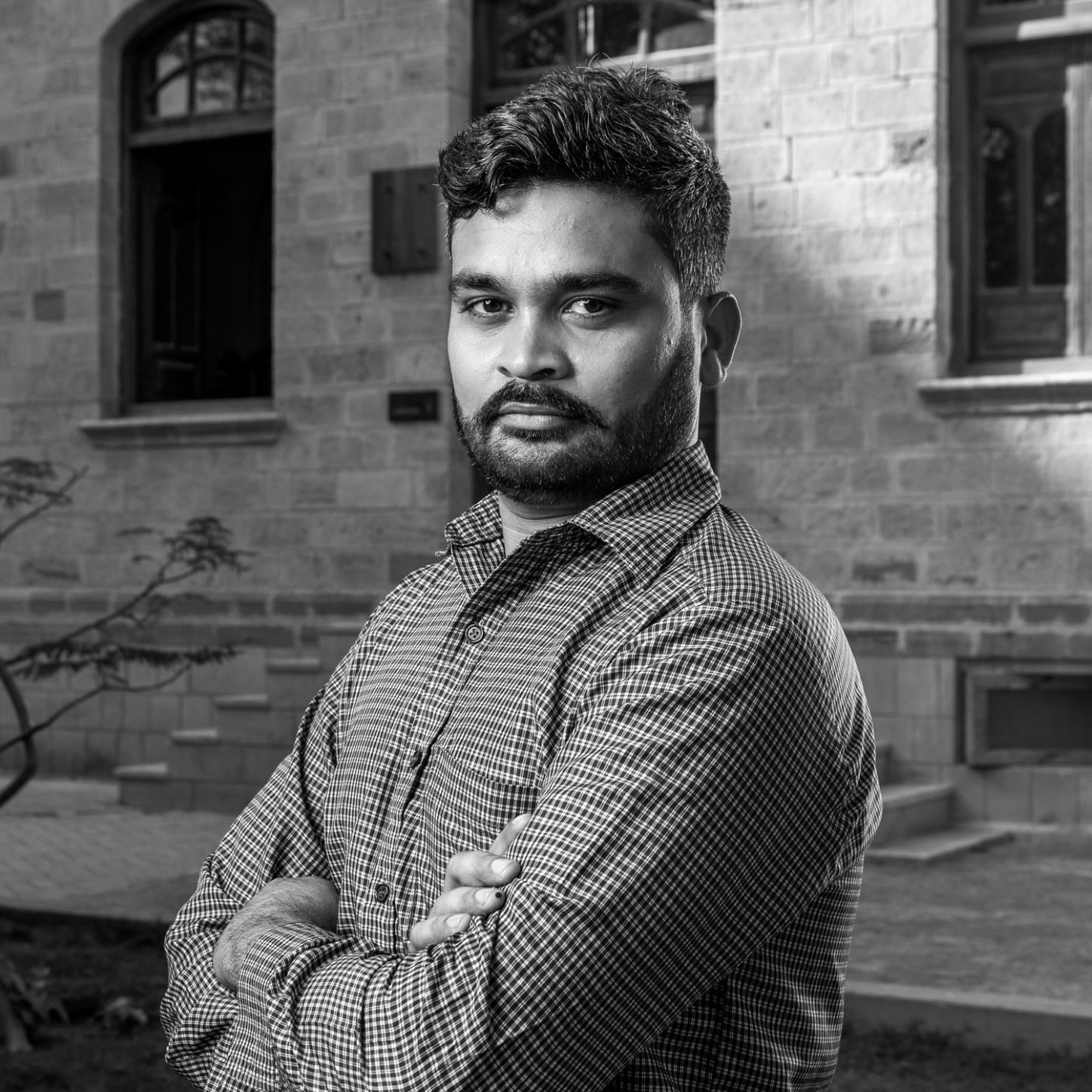
Aziz Ahmed
Technical Assistant
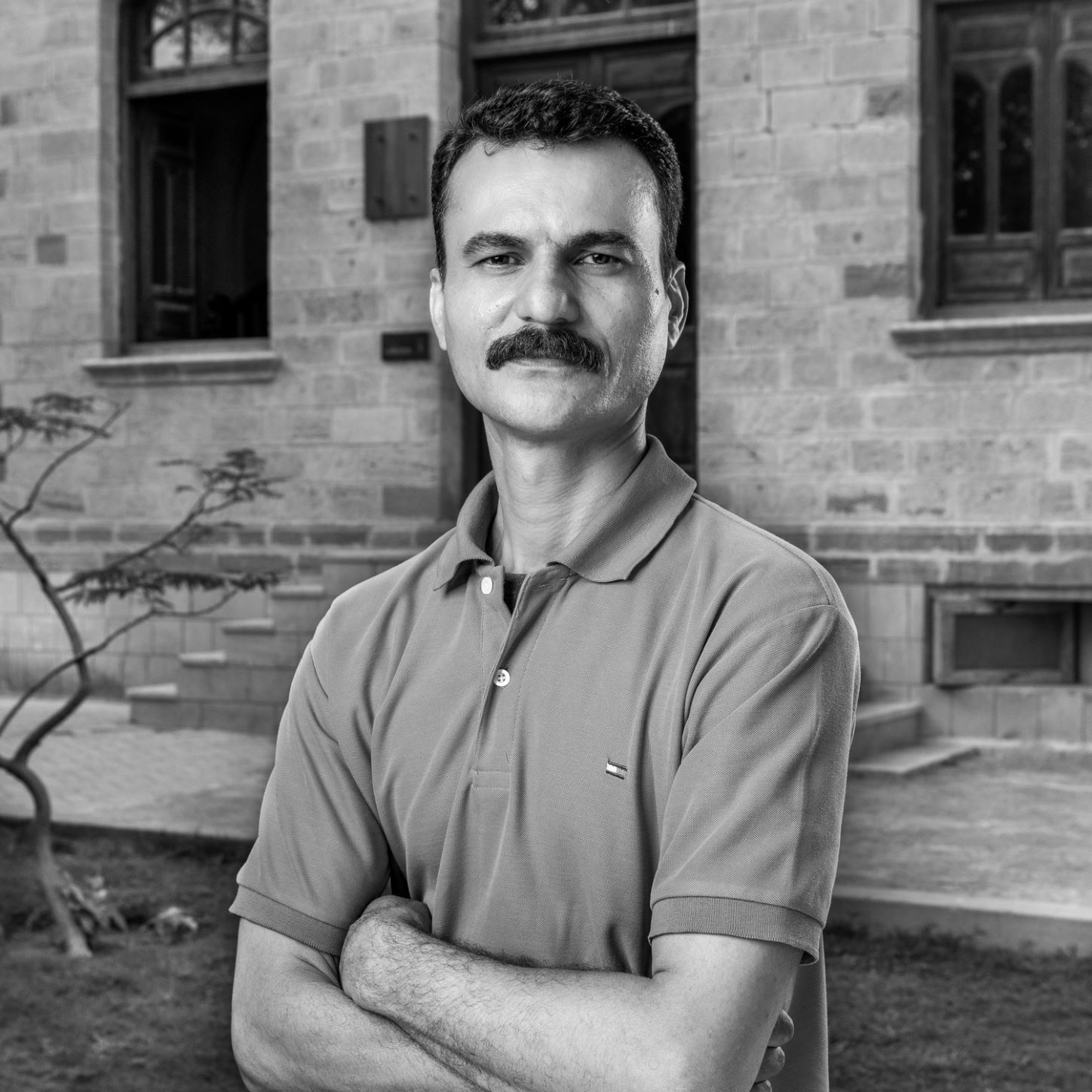
Wilbur E. Judd
Technical Assistant